How to Recreate Medieval Christian Nubian Fashion from Ancient Murals
Introduction
Imagine stepping into a world where centuries-old frescoes come to life, where the flowing robes and intricate patterns of medieval Christian Nubia grace modern models, evoking tears and awe. This guide takes you on a journey to recreate those stunning garments from historical murals. Drawing on the same spirit that inspired a recent breathtaking fashion performance, you'll learn how to transform faded pigments into wearable art. Whether you're a fashion designer, historian, or costume enthusiast, these steps will help you bridge the gap between ancient art and contemporary runway.
What You Need
Materials & Tools
- High-resolution images of Christian Nubian murals (e.g., from Cathedral of Faras, churches in Old Dongola)
- Fabric swatches: linen, cotton, wool (natural fibers common in Nubia)
- Dyes & pigments: indigo, madder, ochre (to match mural colors)
- Sewing supplies: needles, thread, scissors, measuring tape, dress form
- Pattern paper and drafting tools (ruler, French curve)
- Embellishments: beads, embroidery floss, metallic threads (for decorative motifs)
- Historical reference books on Nubian art and textiles
- Model(s) and a photographer/videographer for final presentation
- Lighting equipment to simulate tomb or cathedral ambience
Prerequisites
- Basic sewing and pattern-making skills
- Familiarity with art historical research
- Access to a library or digital archives of Christian Nubian art
- Patience and willingness to iterate designs
Step-by-Step Guide
Step 1: Research Historical Context
Begin by immersing yourself in the world of medieval Christian Nubia (circa 6th–15th centuries). Read scholarly articles about the kingdoms of Nobatia, Makuria, and Alodia. Focus on the iconography of murals: how saints, kings, and angels are depicted wearing specific garments. Note the color palette—deep blues, reds, yellows, and whites—and the significance of patterns like crosses and geometric borders. This background knowledge will inform every design decision.
Step 2: Analyze Mural Details
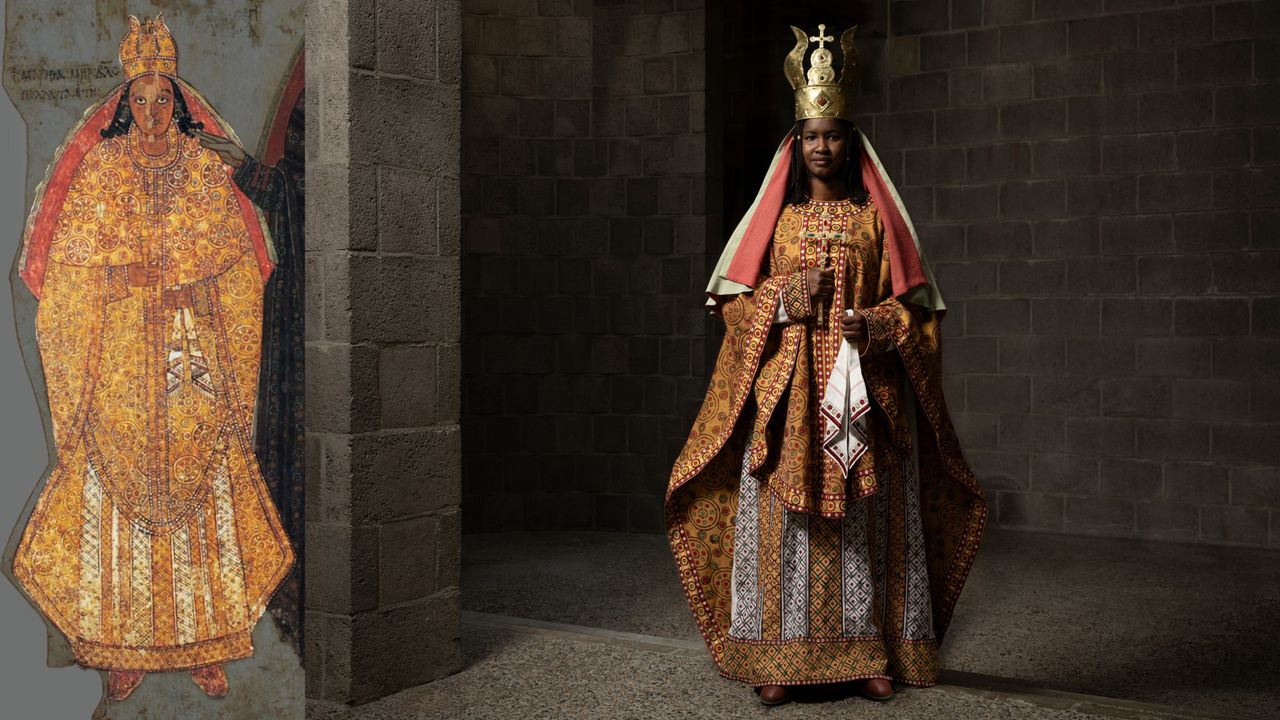
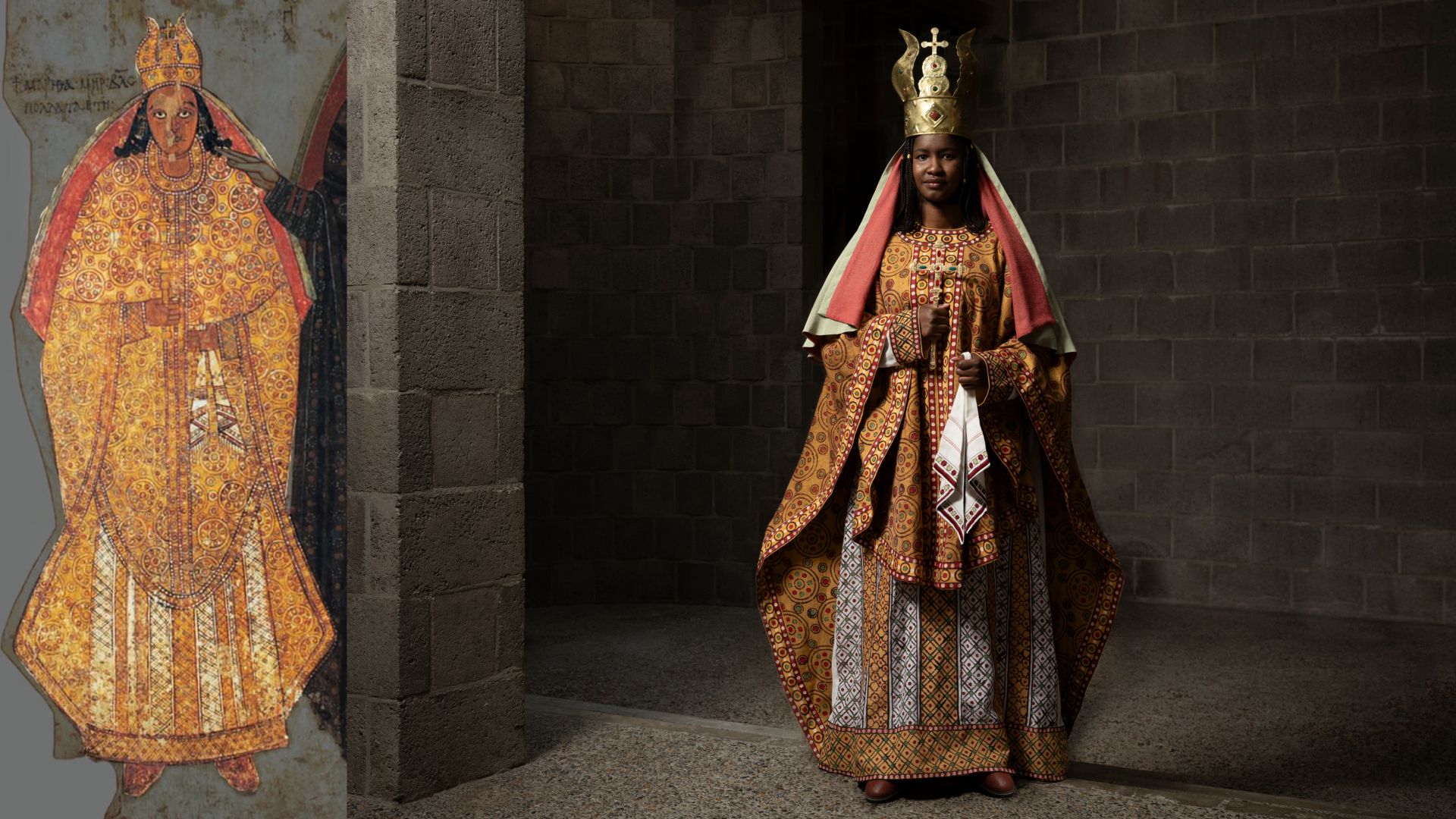
Select three to five murals that show full-length human figures. Use high-resolution images to zoom in on clothing details: sleeve shapes (tight, flared), hem lengths, fabric draping, belts, headdresses, and jewelry. Create a sketchbook of these observations. For example, in the Faras Cathedral murals, you'll see a bishop in a long tunic with a pallium (a type of stole) and a crown-like headpiece. Trace outlines of each garment element and note any visible seams or folds that hint at construction techniques.
Step 3: Source Authentic Materials
Medieval Nubian used natural fibers: linen (common for everyday wear), cotton (introduced via trade), and wool (for colder seasons). Dye them with plant-based substances: indigo for blue, madder root for red, weld for yellow, and iron mordant for black or grey. If you lack access to natural dyes, use modern equivalents but match the muted, earthy tones of the original murals. Avoid synthetics that look shiny or modern.
Step 4: Draft Patterns Based on Mural Silhouettes
Using your sketches, draft pattern pieces for each garment. Typical Nubian attire includes a long tunic (often with a slit at the neck), a cloak or mantle, and a head wrap or crown. Construct the tunic from a simple cross-shaped pattern (like a T‑shirt) but adjust the length to ankle-level and add gussets (triangular inserts) for mobility. For cloaks, create a semicircular cape that falls from the shoulders. Test the fit on a dress form, tweaking proportions to match the mural's depiction—e.g., narrow sleeves in later periods vs. wide sleeves in earlier ones.
Step 5: Construct the Garments
Sew the main pieces together using hand-stitching techniques like running stitch, backstitch, and herringbone stitch (common in ancient garments). Machine sewing can be used for straight seams, but finish edges with hand-stitched hemming for authenticity. Attach any decorative borders: many Nubian tunics had woven or embroidered bands at the neckline, cuffs, and hem. Use a mix of embroidery floss and thin metal thread to recreate these patterns—often geometric or stylized vine motifs.
Step 6: Add Embellishments and Accessories
Review the murals for jewelry: necklaces with crosses, earrings, bracelets, and belts. Use beads (glass or ceramic) to recreate multi-strand necklaces. For crowns, form a base from stiffened linen or leather and attach a metal foil covered with gold leaf (if allowed) or gold-colored acrylic paint. Remember that religious figures often hold a cross or book; add these props. Ensure all accessories are lightweight so models can move naturally.
Step 7: Style and Photograph Models
Select models who represent the diverse Nubian phenotype (dark skin, natural hair textures). Style hair in braids or wraps as shown in murals. Apply minimal makeup—just a touch of kohl around the eyes to echo ancient Egyptian influences. For the photo or performance shoot, set up dramatic lighting reminiscent of a church interior: dim ambient light with side lighting to cast shadows that emphasize fabric folds. Capture both stills and video, with the model moving gracefully to mimic the spiritual aura of the murals.
Step 8: Present in a Performance (Optional but Powerful)
As inspired by the original event, arrange a live runway presentation with carefully choreographed movement. Have models walk slowly, pausing to evoke the solemnity of medieval liturgies. Add background music—Coptic hymns or Nubian folk music. The goal is to transport the audience: let the clothes tell a story of faith, artistry, and history. When done right, it can be so moving that onlookers weep, as happened in the original recreation.
Tips for Success
- Collaborate with historians: A team with art history and textile archaeology expertise will keep your recreations accurate.
- Test dyes on fabric scraps: Colors can vary enormously; try multiple mordants to achieve the exact mural hue.
- Document your process: Take notes and photos at every stage—this helps refine future projects and creates content.
- Use live models early: Fit the garment on a real person rather than a dress form to see how it moves and flows.
- Embrace imperfection: Ancient textiles had irregular stitches and natural variations. Don't try for machine-perfect finishes.
- Plan for a narrative: Even a simple photoshoot can tell a story. Sequence the images to mirror a mural cycle.
- Check copyright and ethics: When recreating religious imagery, be respectful of its significance to modern Coptic Christians and Nubian descendants.
With careful research, patient craftsmanship, and a touch of theatrical flair, you can bring the majestic fashion of medieval Christian Nubia back to life, honoring a rich cultural legacy one stitch at a time.
Related Articles
- How to Score a $250 Discount on Amazon’s 2026 16-Inch MacBook Pro
- Apple Q2 2026 Earnings Call: How to Tune In and What to Expect
- React Native 0.83: What's New and Why It Matters
- Gödel's Theorems Shatter Foundations of Mathematical Certainty
- MCP Servers Demystified: 6 Crucial Insights for Developers
- SwitchBot Unveils Matter Smart Locks With 3D Face Unlock; Models Start at $170
- Building a Continuous Purple Teaming Program for Agile Enterprises
- Getting Started with .NET 10 on Ubuntu 26.04 (Resolute Raccoon)