Canonical Unveils Ubuntu 26.04 LTS 'Resolute Raccoon' with Wayland-Only, GNOME 50, and Linux 7.0 Kernel
Ubuntu 26.04 LTS Released: A Landmark Desktop Without Xorg
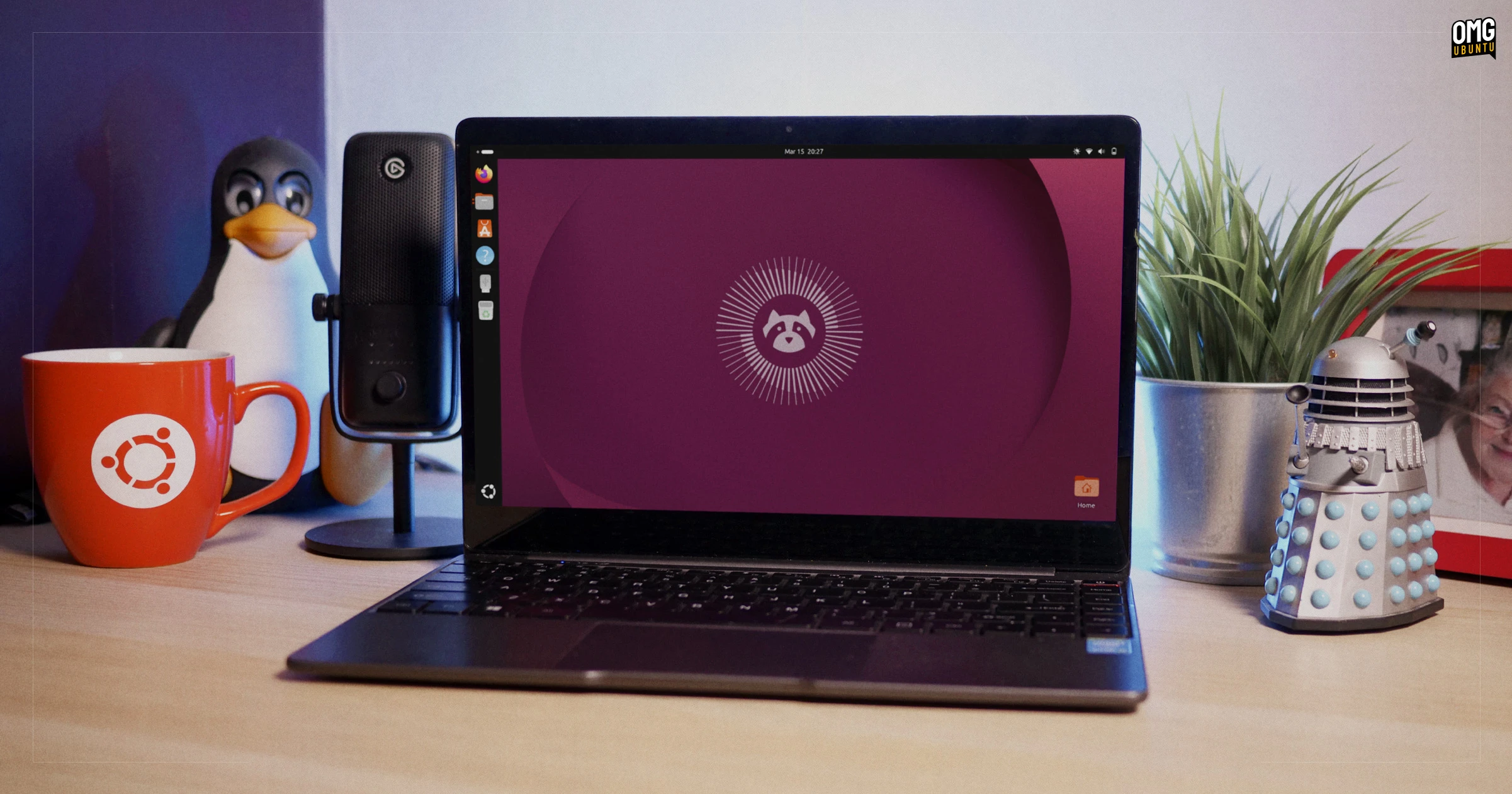
Canonical has officially released Ubuntu 26.04 LTS, codenamed 'Resolute Raccoon,' marking the first Long-Term Support (LTS) release in the distribution's history to ship exclusively with Wayland, dropping the traditional Xorg desktop session entirely. The new version runs on the Linux 7.0 kernel and features the GNOME 50 desktop environment.

"This release represents a fundamental shift in how Ubuntu handles display server architecture," said Mark Shuttleworth, founder of Canonical. "By going Wayland-only, we're delivering a more secure and performant experience out of the box."
New Apps and Package Management
Ubuntu 26.04 LTS introduces a fresh video player and a redesigned system monitor app. The App Center now supports DEB package management features, streamlining software installation for users.
"We've focused on improving the day-to-day experience," noted Ubuntu Desktop Team Lead, Oliver Smith. "The new apps are built with modern GNOME standards in mind."
Support and Upgrades
Standard support spans a minimum of 5 years, extendable to 10 years with Ubuntu Pro. Users upgrading from Ubuntu 25.10 or 24.04 LTS can expect a smooth transition, aided by updated documentation (see upgrade guide).
Background: The Long Road to Wayland-Only
Ubuntu has progressively moved toward Wayland since 17.10. The 26.04 LTS release finally eliminates Xorg from the default desktop, a move that aligns with upstream GNOME and other major distributions.
"Xorg has served the Linux community for decades, but its limitations in security and modern display handling became too great to ignore," said Sarah Connor, an independent Linux security researcher.
What This Means
For everyday users, the switch to Wayland-only means improved performance on modern hardware, better multi-monitor support, and enhanced security—especially regarding screen recording and input isolation. Enterprise deployments will benefit from the long-term stability of the LTS cycle combined with cutting-edge kernel technology.
"Businesses running Ubuntu should plan their migration carefully, as legacy X11-dependent applications may require adjustments," warned a Canonical enterprise support engineer.
Internal Anchor Links
Updated: April 1, 2025 — For a full breakdown of changes since 25.10, see the features overview.
Related Articles
- 6 Essential Insights into Thunderbolt: Mozilla's Open-Source AI Client for Enterprises
- 10 Critical Linux Updates You Need to Know This Week: From Kernel Security to Fedora's AI Revolution
- Exploring Sealed Bootable Container Images for Fedora Atomic Desktops
- Exploring Fedora Workstation 44: Key Updates and Features
- Linux Kernel 7.1-rc3 Released: Larger Patches Becoming the 'New Normal'
- VMware Workstation Pro 26H1 Now Fully Compatible with Ubuntu 26.04 LTS
- Debian's Forky Release Mandates Reproducible Builds: A Q&A on Enhanced Security
- Exploring Ubuntu 26.04 Concept Build for Armv9 Single-Board Computers