How to Uncover Ancient Copper Smelting: A Guide to Identifying Prehistoric Metallurgy in Cave Sites
Introduction
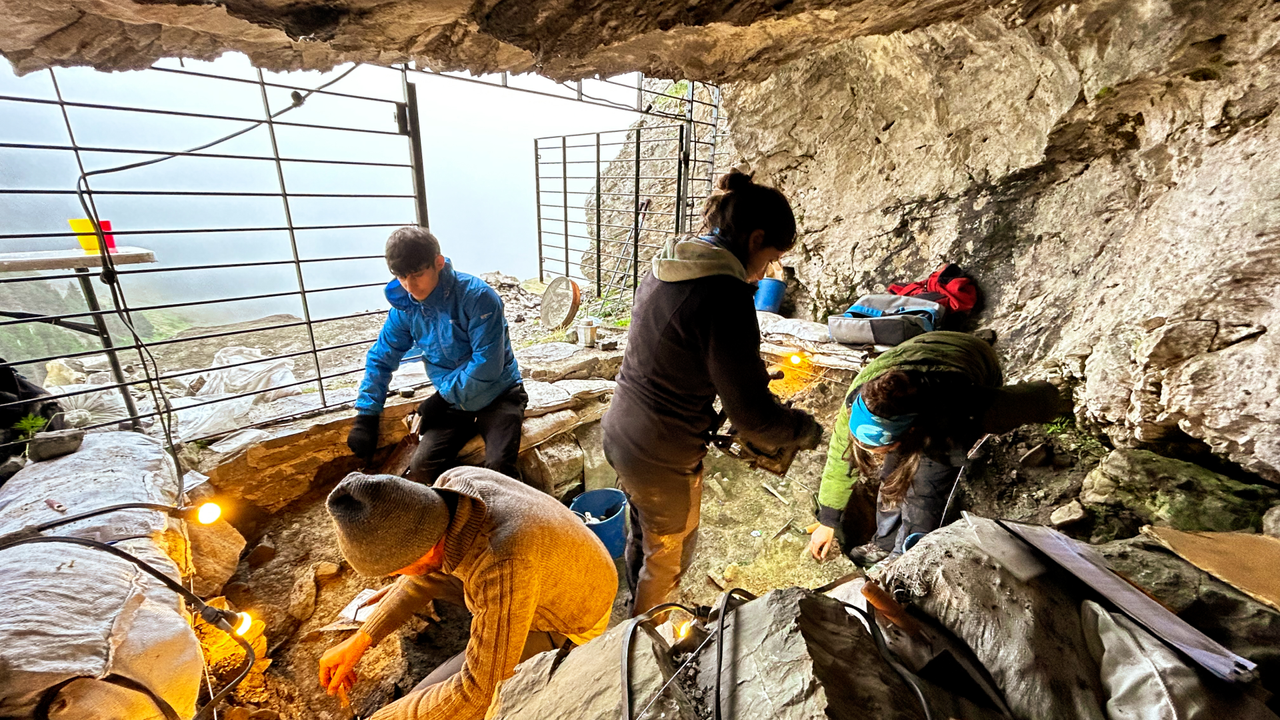
Deep in the Pyrenees, a cave holds a secret: bright-green rocks that tell a story of human ingenuity spanning 7,000 years. These malachite fragments are not just pretty stones—they are evidence of early copper smelting, a technological leap that transformed societies. While you might not be a professional archaeologist, you can learn to spot the clues left by prehistoric metalworkers. This guide walks you through the process of identifying such evidence, from recognizing mineral stains to confirming ancient activity. Whether you're a curious hiker, a student, or a history enthusiast, you'll gain insights into how scientists piece together the past. Ready to become a detective of deep time? Let's explore the steps.
What You Need
- Field guide to minerals – especially for copper-based ores like malachite and azurite.
- Hand lens or magnifying glass (10x or 20x) – to examine rock surfaces.
- Clean sample bags and labels – for collecting small fragments (with permission).
- Notebook and pencil – for recording location, color, texture, and surrounding features.
- GPS device or mapping app – to mark cave entrances and sample spots.
- Basic archaeological knowledge – read about smelting techniques (e.g., crucibles, slag).
- Access to a lab (optional) – for chemical analysis or radiocarbon dating services.
- Safety gear – hard hat, gloves, sturdy shoes, and a trusty headlamp for cave exploration.
Step-by-Step Guide
Step 1: Locate a Cave with Unusual Green or Blue Stains
Start by exploring limestone caves and rock shelters, especially in regions known for copper deposits like the Pyrenees. Look for bright-green patches (malachite) or blue stains (azurite) on walls, floors, or fallen debris. These vivid colors often indicate the presence of copper carbonates. In the Pyrenees cave, dozens of such green fragments were found, hinting at deliberate smelting activities. Mark the location and take notes on the size and shape of the stains—they may be natural or man-made. Be wary: green can also come from algae, so look for a more intense, mineral-like luster.
Step 2: Examine Texture and Association
Use your hand lens to inspect the green rocks. Malachite from smelting often has a botryoidal (grape-like) or fibrous form, but it can also appear as crusts. Natural malachite typically forms near copper outcrops, while smelting residues may be mixed with charcoal, ash, or slag. In the Pyrenees, the bright-green rocks were not directly on bedrock—they were scattered with other debris. If you see tiny glassy fragments or blackened particles, those could be slags from heating copper ores. Also, note if rocks show signs of thermal shock (cracking from fire). Document everything with photos and sketches.
Step 3: Search for Associated Artifacts
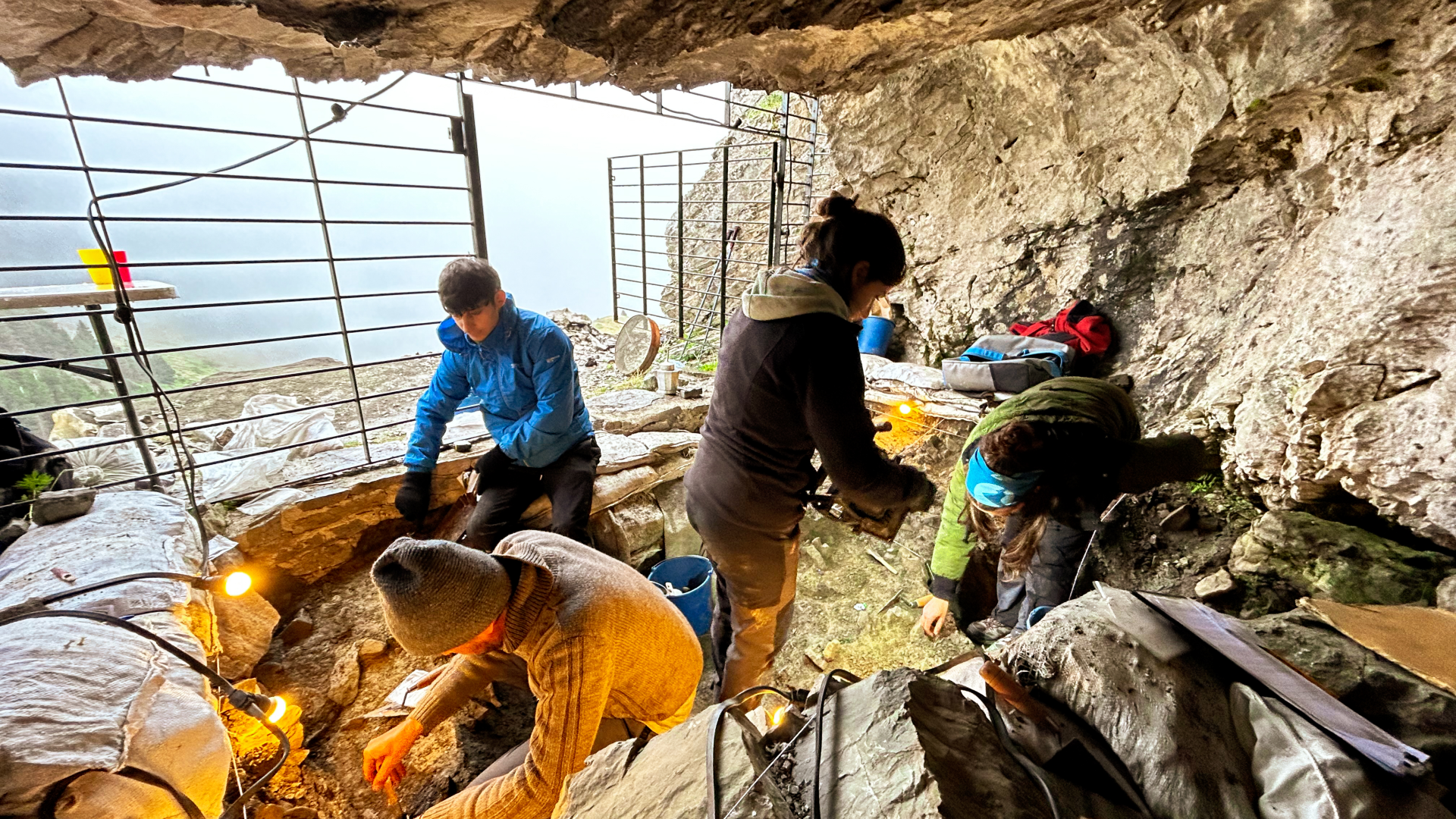
Prehistoric smelting sites often yield clues beyond the mineral itself. Look for pottery fragments (used as crucibles), bone tools, or charcoal layers. In the Pyrenees cave, archaeologists found the green rocks alongside charcoal that could be dated. Similar evidence might include small chunks of copper metal, vitrified furnace walls, or hammerstones. Walk the entire cave floor systematically. If you find concentrations of such items near a hearth or flat stone, that's a strong signal of ancient metallurgy. Remember to collect samples properly—with permission if on protected land.
Step 4: Conduct Chemical Analysis (Optional but Ideal)
To confirm that the green rocks are smelting byproducts, not natural mineralizations, you need lab tests. A portable X-ray fluorescence (pXRF) device can instantly reveal copper content. If unavailable, send samples to a geochemical lab. Testing for trace elements like tin, arsenic, or lead can indicate intentional alloying, a hallmark of early smelting. The Pyrenees rocks were analyzed and confirmed as high-purity copper carbonates consistent with smelting. You can also look for microscopic droplets of copper—a telltale sign of molten metal.
Step 5: Radiocarbon Date Associated Organic Material
This step seals the timeline. Find organic matter—charcoal, bone, or plant remains—closely mixed with the green rocks. Send it to a radiocarbon dating lab. In the Pyrenees, charcoal gave dates around 7,000 years ago, linking the green rocks to the Neolithic period. Without organic materials, you might date stalagmite layers covering the artifacts, but that's less precise. Always collect multiple samples from different depths to cross-check. Reliable dating transforms green stains into definitive archaeological evidence.
Step 6: Cross-Reference with Regional Archaeological Records
Your findings gain meaning when placed in a broader context. Research local copper sources and earlier human occupations. For instance, the Pyrenees region has known copper deposits, but no smelting sites this old were previously documented—making the cave discovery remarkable. Check databases, academic papers, or museum collections for similar green rocks that might have been misidentified. If your site aligns with trade routes or known settlements, you've added a piece to the puzzle. Collaborate with professionals to publish your observations.
Tips for Success
- Never disturb archaeological layers without proper training; take photos and notes instead.
- Distinguish natural malachite – it often occurs in veins near copper ores, whereas smelting malachite is mixed with charcoal and slag.
- Beware of modern contamination – old mining debris can mimic ancient smelting residues.
- Work with a team – partner with geologists or archaeologists for interpretation and dating.
- Respect local laws – many caves are protected; obtain permits before sampling.
- Keep a detailed log – even a simple notebook can turn a hobby into a scientific contribution.
- Expect surprises – the Pyrenees cave taught us that copper working began much earlier than thought. Your discovery might rewrite history too.
By following these steps, you can help uncover forgotten chapters of human innovation. Each green rock is a whisper from the past—listen closely.
Related Articles
- How to Implement Integrated Land Planning to Resolve Food, Energy, and Biodiversity Conflicts
- Spotify's 'Honk' and 'Backstage' Automate Massive Dataset Migrations, Cutting Downtime by 80%
- Solar-Only Installations Plummet as Home Battery Adoption Hits Record High
- May 2026 Desktop Wallpapers: Fresh Inspiration for Your Screen
- Toyota's Tahara Plant: A Carbon Neutral Milestone
- Breaking: Ride1Up Prodigy V2 E-Bike Hits Record Low $1,795 as Spring Sale Sparks Green Deal Frenzy
- Massive Savings on E-Bikes, E-Scooters, and More: This Week's Top Green Deals
- Beyond the Patch Count: Choosing an Exposure Management Platform That Delivers Real Security Insights