Aging Brain's Memory Loss Linked to Single Protein, New Study Shows Potential for Reversal
A groundbreaking study from the University of California, San Francisco (UCSF) challenges the long-held belief that age-related cognitive decline is irreversible. Researchers at the UCSF Bakar Aging Research Institute have pinpointed a single protein—FTL1—as a key driver of memory loss and learning difficulties. Even more striking, they demonstrate that clearing this protein from the brain can reverse existing damage, restoring cognitive function in older mice. This discovery opens up new avenues for treating human memory disorders.
The Discovery: FTL1 Protein Floods Aging Brains
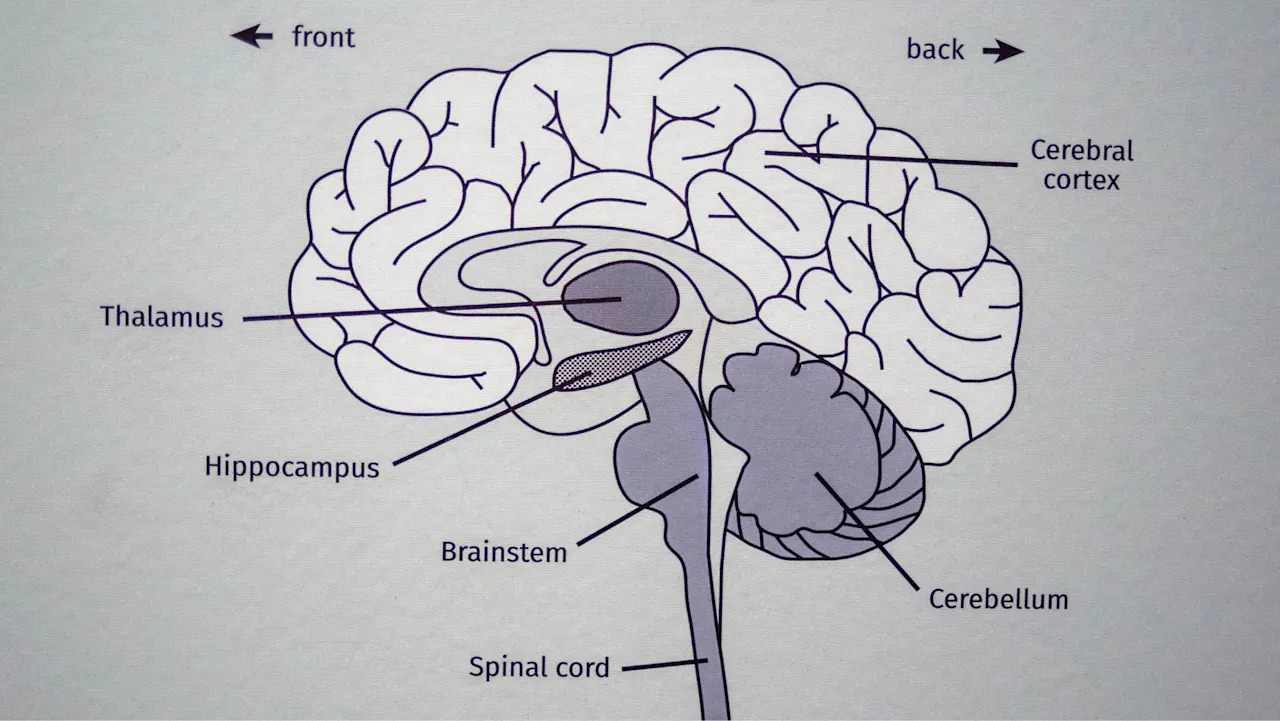
The study, published in a leading scientific journal, focused on the hippocampus—the brain's epicenter for learning and memory. By comparing young and old mice, the team found that aged brains contained significantly elevated levels of the FTL1 protein. This was not a subtle difference; older brains were literally flooded with it. The question became: is FTL1 a cause of cognitive decline or merely a consequence of aging?
How the Study Was Conducted
To answer that, the scientists designed a series of experiments. First, they artificially raised FTL1 levels in young mice. The results were dramatic: those young brains began to look and function like old ones. Neurons that normally form complex, branching networks instead developed stubby, inefficient extensions. Communication between synapses slowed as energy production within brain cells faltered. The young mice soon performed poorly on memory tests.
The Breakthrough: Reversing Cognitive Decline
The true revelation came when the researchers lowered FTL1 levels in older mice. Not only did the decline stop, but existing damage began to heal. Clearing the FTL1 clutter allowed neurons to rebuild lost connections. The treated mice showed significantly better scores on memory tests compared to untreated controls. Senior author Dr. Saul Villeda describes it as “a reversal of impairments”—not merely a delay in symptoms.
The Mechanism: Protein Acts as Metabolic Brake
Further analysis revealed how FTL1 causes harm. High levels of the protein act like a metabolic brake, slowing down energy production within brain cells. When neurons can't generate sufficient energy, synaptic connections weaken and eventually dry up. This explains why reducing FTL1 restores brain function: it removes the brake, allowing cells to power themselves again.
Implications for Human Aging
While medically approved treatments for humans are still years away, the study offers immediate optimism. Cognitive decline associated with aging can now be viewed as a manageable biological setback, not a permanent loss. Dr. Villeda notes, “We're seeing more opportunities to alleviate the worst consequences of old age. It's a hopeful time to be working on the biology of aging.”
Future research will need to confirm whether the same mechanism operates in humans. If so, drugs or other interventions that target FTL1 could one day help millions of people preserve their memory and independence. For now, the message is clear: the aging brain's decline is not inevitable.
Expert Commentary
Dr. Villeda emphasizes the significance of the finding: “It is truly a reversal of impairments. It's much more than merely delaying or preventing symptoms.” The study provides a concrete target for therapeutic development, shifting the conversation from managing symptoms to potentially curing age-related cognitive disorders.
In the meantime, individuals can take steps to support brain health through lifestyle choices—such as regular exercise, a balanced diet, and cognitive stimulation—though these are not substitutes for the specific protein-based intervention under investigation.
As science advances, the day may come when a simple treatment can clear FTL1 from aging brains, restoring the sharpness of youth. Until then, this research stands as a beacon of hope.
Related Articles
- New Mathematical Breakthrough Solves Decades-Old Bias-Variance Puzzle for Classification Models
- How to Restore Memory in Alzheimer’s by Targeting the PTP1B Protein: A Research Roadmap
- How to Observe Wave-Like Behavior in Antimatter Atoms: A Step-by-Step Guide for Researchers
- Beyond One Study: How Science Really Informs Your Diet
- The Gentlemen RaaS Surpasses 320 Victims as SystemBC Botnet Reveals Corporate Focus
- Your May 2026 Skywatching Guide: 10 Things to Look Up For
- A Step-by-Step Guide to SpaceX's Record-Breaking Starship V3
- AI Integration in Classified Defense Systems: A Step-by-Step Guide for Military and Industry Partners