How to Navigate NASA's Artemis 2 Photo Dump: Your Step-by-Step Guide
Introduction
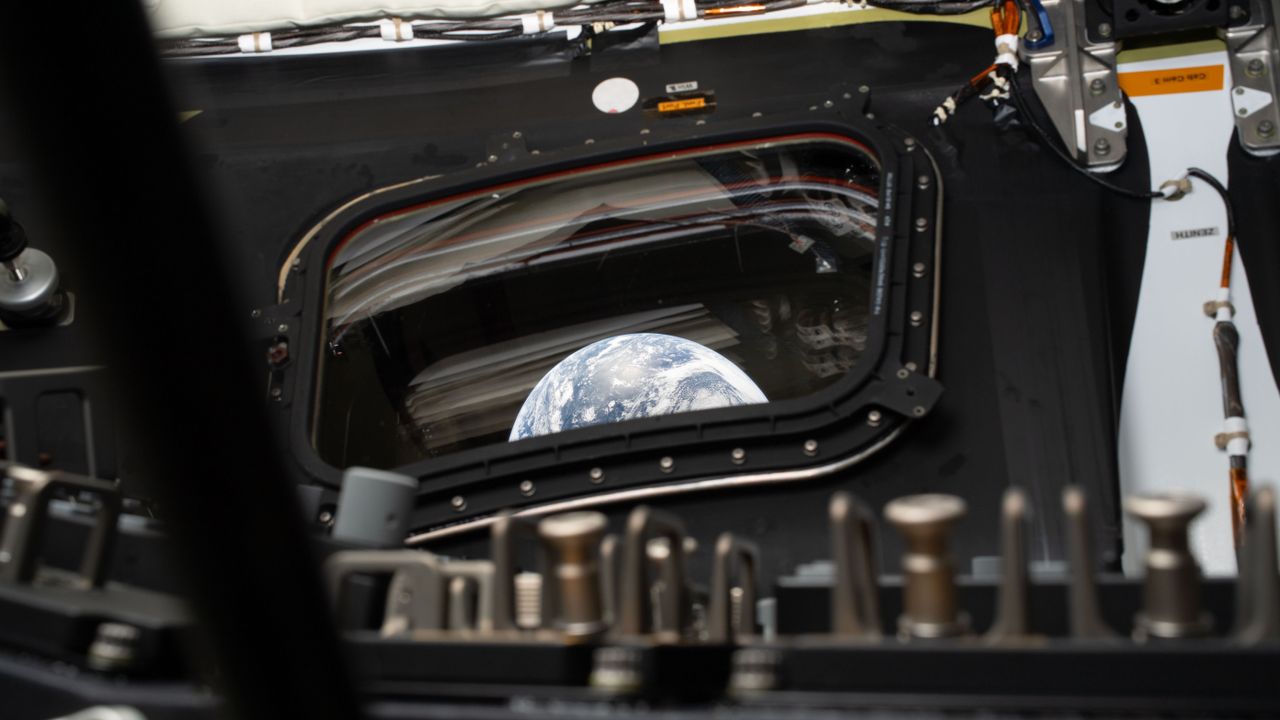
NASA has just released an enormous collection of over 12,000 high-resolution images from the Artemis 2 moon mission. While you could easily spend hours scrolling through this treasure trove, knowing how to efficiently explore and locate the most breathtaking shots can save you time and enhance your experience. This guide will walk you through each step, from accessing the official archive to downloading your favorites. Whether you're a space enthusiast, educator, or curious explorer, you'll discover how to make the most of this historic visual record.
What You Need
- A computer, tablet, or smartphone with a stable internet connection.
- A modern web browser (Chrome, Firefox, Safari, or Edge) for full feature compatibility.
- Basic familiarity with image browsing – no special software required.
- Patience and curiosity – with thousands of images, you'll want to take your time.
- Optional: A photo management tool or folder system to save and organize your selections.
Step-by-Step Instructions
Step 1: Access the NASA Image Repository
Begin by visiting the official NASA Image and Video Library at images.nasa.gov. This is the central hub for all publicly released mission imagery. To quickly locate the Artemis 2 photos, use the search bar and enter keywords such as "Artemis 2" or "Artemis II". Alternatively, you can browse the dedicated Artemis mission page if one is featured on the homepage. Once you see the collection, you're ready for the next step.
Step 2: Narrow Your Search with Filters
With over 12,000 photos, sorting through everything would be overwhelming. Use the filtering tools available on the left sidebar or top menu. You can filter by date (choose the mission launch window or specific event days), category (e.g., "Astronauts", "Spacecraft", "Earth Observation"), and photographer if known. For the most popular shots, try selecting the "Most Viewed" or "Highest Rated" sort option. This immediately surfaces the crowd favorites, including some of NASA's own top picks.
Step 3: Browse by Timeline or Event
One effective method is to organize the photos by mission timeline. Artemis 2 had distinct phases: pre-launch preparations, launch, orbit, lunar flyby, and return. Use the date filter to jump to each phase. For example, set the start date to the day of launch and end date a few days later to see only flight images. Many users find the "Earthrise" and "Crew Portrait" sets particularly stunning. Bookmark these segments for quick access later.
Step 4: Identify Standout Photos
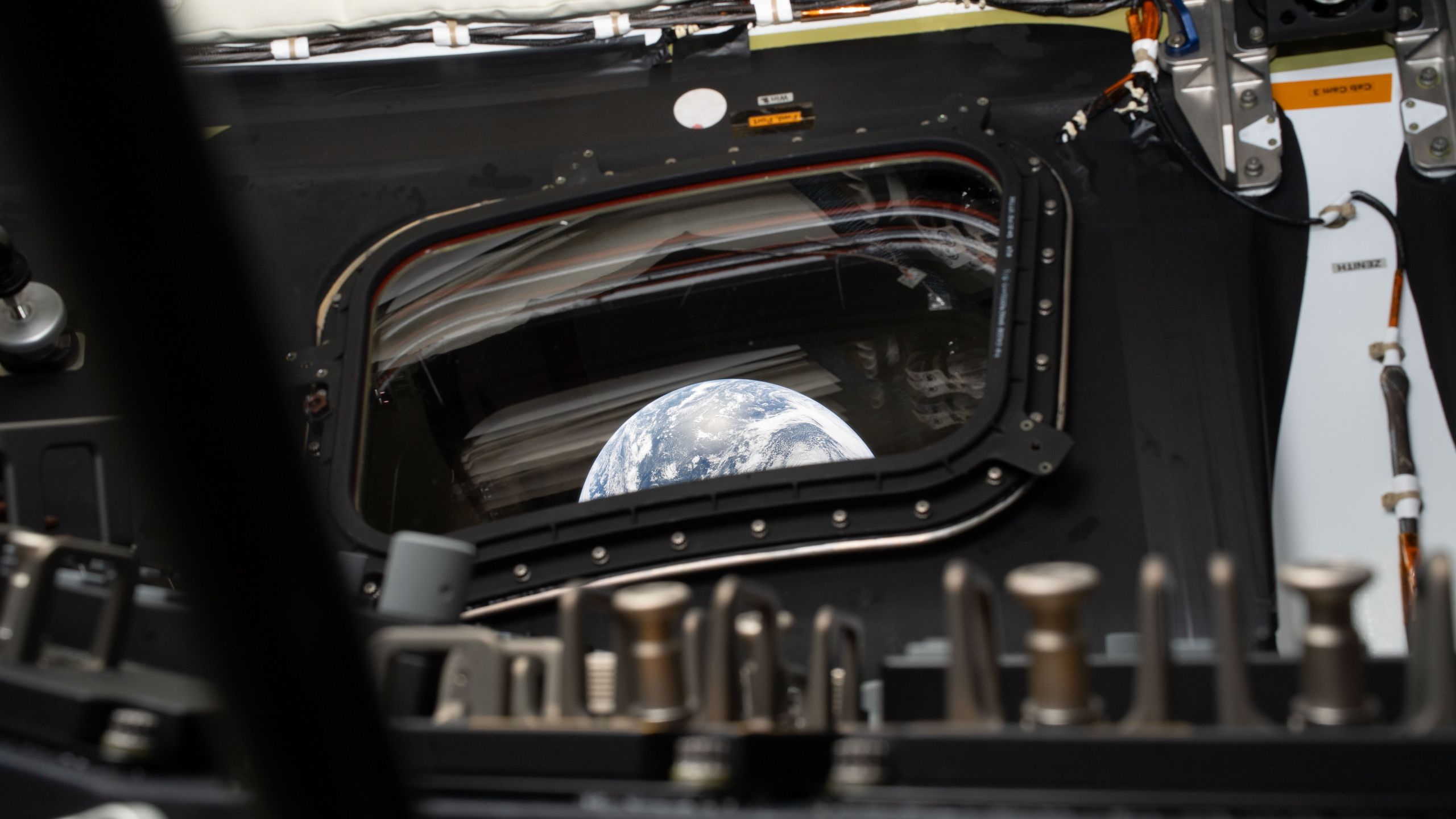
To replicate NASA's top picks, look for images that showcase unique angles of the moon, the crew inside Orion, or Earth from deep space. Pay attention to image titles and descriptions – NASA often adds notes like "Crew Earth Observation" or "Lunar Limb". Also check the number of downloads and comments; high engagement often signals a spectacular shot. For a curated taste, scroll to images with high resolution (above 4000 pixels wide) as they tend to be professional-grade captures.
Step 5: Download and Save Your Favorites
Once you find an image you love, click on it to open the full-size view. Below the image you'll see a "Download" button offering various sizes – choose the highest resolution available for the best quality. Right-click (or long-press on mobile) and select "Save Image As..." to store it on your device. Create a dedicated folder named Artemis 2 Favorites to keep everything organized. You can also share directly from the site to social media or embed it using the provided HTML code.
Step 6: Explore Further and Subscribe for Updates
NASA regularly adds new images as the mission progresses. To stay informed, subscribe to the NASA Image and Video Library's RSS feed or follow @NASA on social media. You can also explore related galleries for other Artemis missions or historical Apollo shots. For the most immersive experience, consider viewing the photos on a large monitor or 4K TV to appreciate the fine details.
Tips for the Best Experience
- Start with the highlights: Look for galleries titled "Top Shots" or "Editor's Picks" – these have been curated by NASA experts.
- Use the thumbnail grid: Hover over thumbnails to see a preview; this speeds up browsing immensely.
- Check the metadata: Each image includes EXIF data (camera, settings, location). This can be fascinating for photography enthusiasts.
- Don't forget video clips: The same repository also contains short videos from Artemis 2 – search for "film" or "video".
- Set aside enough time: With 12,000 photos, even a quick tour can take an hour. Plan accordingly.
- Share responsibly: All NASA images are public domain, but it's good practice to credit "NASA/Artemis 2" when sharing.
Now that you have a clear roadmap, dive into the vast visual record of Artemis 2. From the fiery launch to the serene lunar horizon, every image tells a story of human exploration. Happy browsing!
Related Articles
- Unlocking Brown Fat's Secret: New TNAP Enzyme Pathway Burn Calories and Bolster Bones
- AI-Designed '19-Amino Acid' Organism Shatters Longstanding Rule of Life
- VS Code Python Environments Extension: April 2026 Update Boosts Speed and Reliability
- Unraveling the Mystery of Lightning: New Insights from Space and Earth
- The Orion Flywheel: Keeping Artemis Astronauts Fit on the Journey to the Moon
- Inside the Leak: A Step-by-Step Guide to Dissecting the Gentlemen RaaS Operation
- 7 Key Breakthroughs in NASA's Next-Gen Mars Helicopter Technology
- Exploring the Mission of Astronauts for America: Key Insights from Space Leaders