Flight Research at NASA Armstrong: 10 Key Developments and Capabilities
By
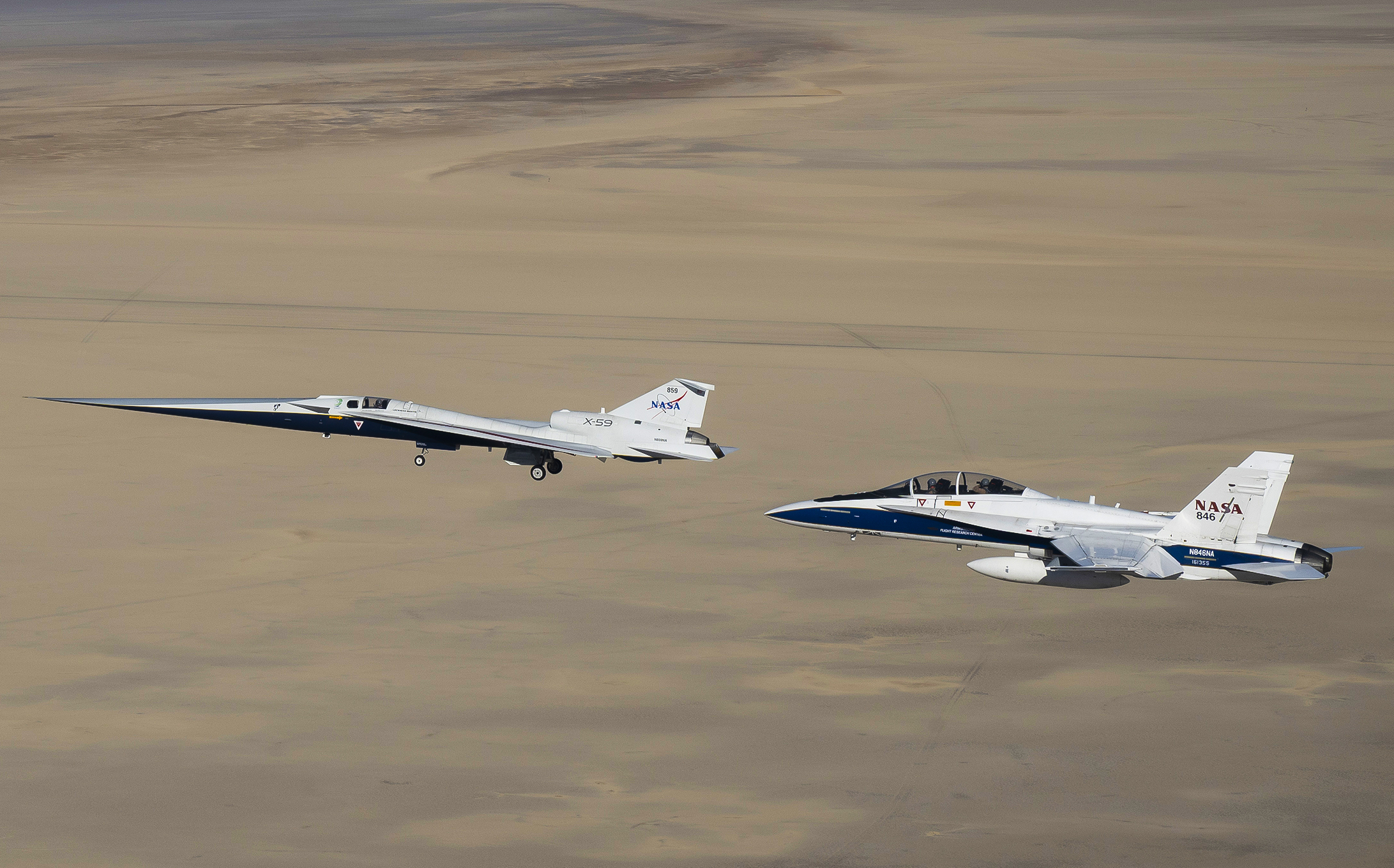
Welcome to the heart of experimental aviation: NASA’s Armstrong Flight Research Center in California’s Mojave Desert. For nearly eight decades, this facility has been at the forefront of aerospace innovation, carrying forward the legacy of pioneers like Neil Armstrong. Today, Armstrong is expanding its fleet with new aircraft—from supersonic jets to versatile turboprops—while continuing to support critical airborne science and aeronautics test missions. The center’s unique blend of skilled personnel, state-of-the-art infrastructure, and a storied past makes it a vital hub for global research. Dive into these 10 essential facts to understand how Armstrong is shaping the future of flight.

Tags:
Related Articles
- How to Protect Young Chinook Salmon from the Deadly Impacts of Droughts and Floods
- 10 Crucial Insights into Papua New Guinea's Devastating Landslides Triggered by Tropical Cyclone Maila
- RF Circuit Designer Wins IEEE Honor for Wireless Innovation and Global Community Building
- Breaking: Organic Molecules Discovered in Dinosaur Bones Overturn Fossilization Theory
- A Hidden Genetic Switch in Cholera Bacteria Reveals How It Infects Humans
- VS Code Python Environments Extension: Boosting Speed and Terminal Experience in April 2026 Update
- Creating Your First WebAssembly App: A Browser-Only Guide Using Emscripten and GitHub Codespaces
- Revolutionary Memory Chip Defies Miniaturization Limits for Ultra-Efficient Electronics