SPIFFE Framework Gains Urgency as AI Agents Demand Trustworthy Identities
SPIFFE Framework Gains Urgency as AI Agents Demand Trustworthy Identities
Traditional identity systems are failing to keep pace with the explosive growth of autonomous AI agents, prompting widespread adoption of the open-source SPIFFE standard for securing non-human actors in dynamic environments.
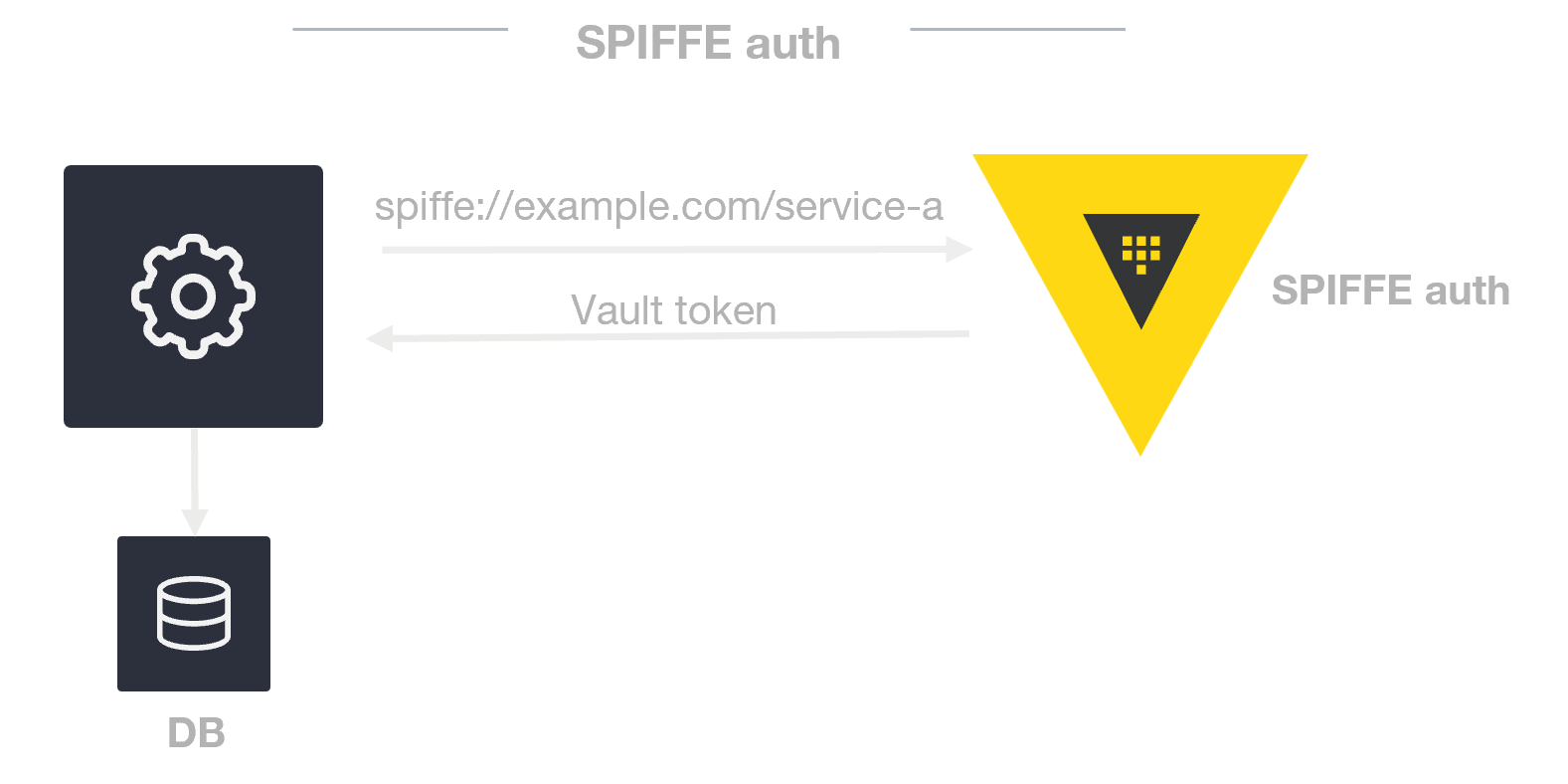
SPIFFE (Secure Production Identity Framework For Everyone) provides cryptographically verifiable, short-lived identities that microservices and AI agents can use to authenticate across clouds and organizational boundaries without relying on static passwords or long-lived secrets.
"Agentic AI systems need a universal, machine-readable identity that can be issued, rotated, and revoked automatically," said Dr. Elena Martinez, cybersecurity lead at the Cloud Native Computing Foundation. "SPIFFE is the only production-tested framework designed from the ground up for workloads, not humans."
The framework is increasingly being cited as a critical foundation for zero-trust architectures in environments where software agents manage infrastructure, coordinate logistics, or execute financial trades without human supervision.
Background
Originally developed for microservices in cloud-native environments, SPIFFE defines a standard for workload identity. The core concept is a SPIFFE ID — a unique, cryptographically bound identifier issued to each workload or agent.
These identities enable mutual TLS (mTLS) authentication between services, eliminating the need for shared secrets or API keys. The framework also supports federated trust, allowing identities to be validated across different organizations and cloud providers.
The Cloud Native Computing Foundation (CNCF) now hosts the project as an incubated standard, and it powers thousands of production deployments, including in high-security financial and government systems.
What This Means
The shift toward SPIFFE for AI identity means zero-trust architectures can extend to autonomous agents. Every agent, from a large language model bot to a factory floor robot, can be issued a unique identity that proves its origin, capabilities, and authorization level.
This is especially important in multi-agent systems where agents must coordinate across trust domains. SPIFFE’s federation model allows identities to be validated even when agents span different companies or cloud environments.
Key capabilities that make SPIFFE a strong fit for agentic AI include:
- Verifiable non-human identity — SPIFFE IDs are tied to workloads, not people, ideal for AI agents and robotic systems.
- Zero trust fundamentals — mTLS ensures every interaction is authenticated and encrypted, preventing impersonation.
- Federation across domains — Identities are validated across trust boundaries, enabling secure cross-organization collaboration.
- Dynamic lifecycle management — Short-lived credentials can be issued and revoked automatically, matching the ephemeral nature of AI agents.
"Without a standard like SPIFFE, every AI agent would require custom identity plumbing," said James Chen, chief architect at a major cloud security firm. "That's not scalable and introduces massive risk. SPIFFE makes non-human identity as natural as human identity."
Industry observers note that as regulatory scrutiny of autonomous systems increases, having a verifiable identity trail will become a compliance requirement. SPIFFE is positioned to provide that foundation today.
For organizations deploying multi-agent systems—such as autonomous traffic coordination, supply chain optimization, or automated incident response—the call to action is clear: standardize on SPIFFE before identity chaos undermines trust.
Read the background on SPIFFE and what this means for AI security.
Related Articles
- How Apple Might Integrate Intel as a Chip Supplier: A Step-by-Step Guide
- 7 Key Insights into IREN's $2.1 Billion AI Data Center Deal with Nvidia
- Breathing New Life into Old Machines: Linux Scheduler Updates Target Gaming on 'Potato' Hardware
- Hardkernel Launches ODROID-H5: Intel Core i3-N300 SBC with 10GbE and Quad M.2 at $260
- Apple and Intel's New Manufacturing Partnership: What It Really Means
- The Ultimate Guide to Attending WAIB Summit Monaco 2026: Digital Assets & AI
- 10 Key Milestones in Intel Lunar Lake CPU Performance on Linux (2025-2026)
- How to Boost Your Framework Laptop 16 with an External GPU via OCuLink