How a 4-Week Diet Shift Can Turn Back Your Biological Clock
A groundbreaking study from the University of Sydney reveals that simple dietary adjustments over just four weeks can make older adults appear biologically younger. By reducing fat intake or switching to more plant-based proteins, participants improved key health markers linked to aging. The most dramatic changes occurred in those who adopted a lower-fat, higher-carb plan, while those sticking to their usual diet saw minimal effects. Here are the answers to your most pressing questions about this research.
What Did the University of Sydney Study Discover About Diet and Biological Age?
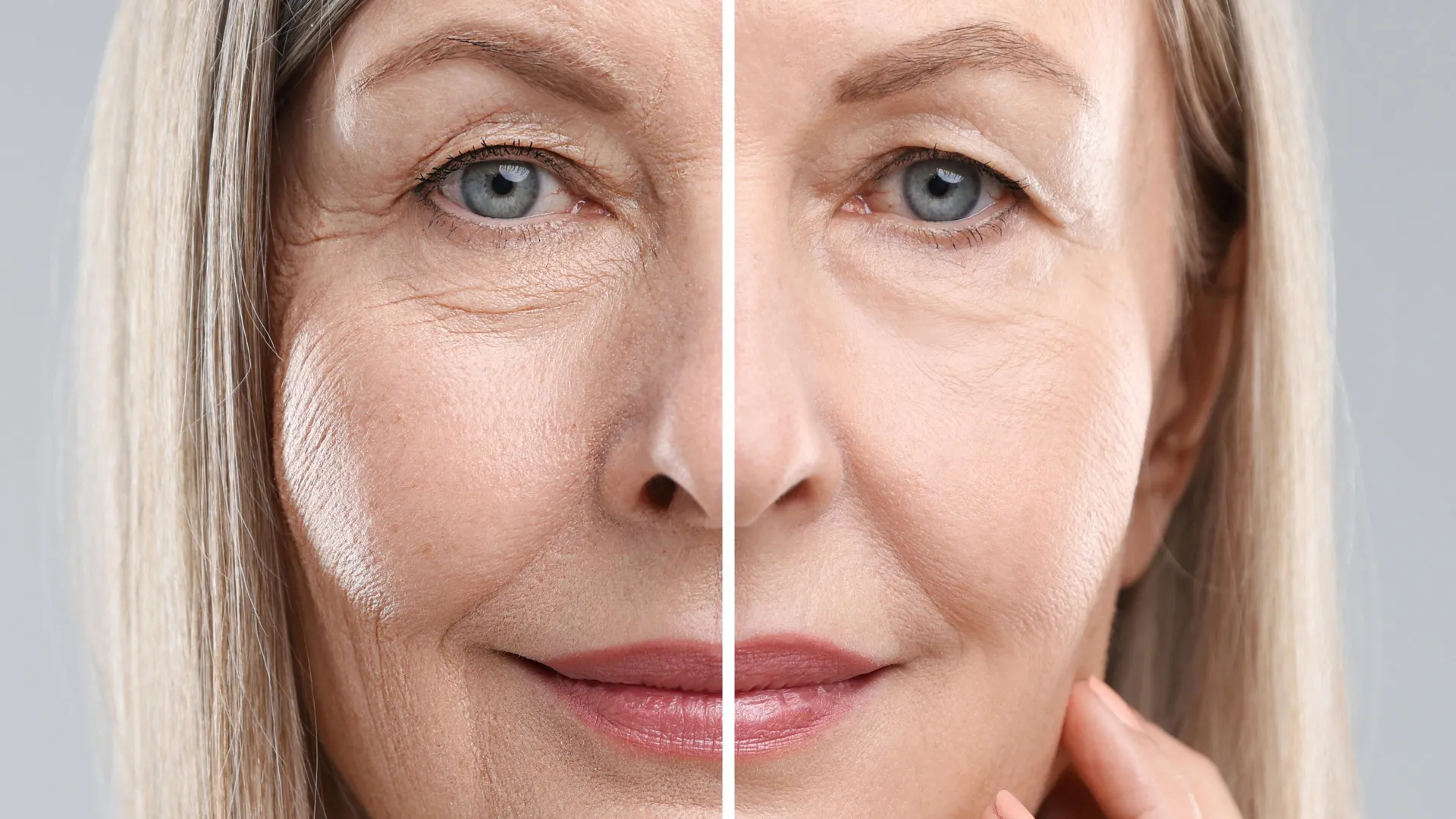
The study found that a four-week diet change was enough to make some older adults biologically younger. Participants who reduced their fat intake or shifted toward more plant-based protein showed significant improvements in key health biomarkers tied to aging. The strongest results came from a lower-fat, higher-carbohydrate diet, while those eating close to their usual diets saw almost no change.
Who Were the Participants and What Diets Did They Follow?
The study involved older adults. They were divided into groups: one group reduced fat intake, another shifted to more plant-based protein (like legumes and tofu), and a third followed a lower-fat, higher-carb diet. A control group continued their usual eating patterns. The researchers monitored the participants for four weeks to assess changes in biological age markers.
How Is Biological Age Measured in Such Studies?
Biological age is assessed using epigenetic clocks, which analyze DNA methylation patterns—chemical modifications to DNA that change with age and lifestyle. These clocks track how your cells are aging compared to your chronological age. Improvements in biomarkers like blood sugar, cholesterol, and inflammation levels also contribute to a lower biological age score.
Which Diet Provided the Best Anti-Aging Results?
The lower-fat, higher-carbohydrate diet produced the strongest anti-aging effects. Participants on this plan showed the most significant improvements in health biomarkers tied to aging. The diet shift toward plant-based protein also yielded positive results, but not as pronounced as the low-fat, high-carb approach. This suggests that reducing overall fat while increasing healthy carbs (like whole grains and vegetables) may be key for rapid biological rejuvenation.
What Specifically Changed in Participants' Bodies After Four Weeks?
Key health biomarkers improved, including reduced blood pressure, lower cholesterol, and better blood sugar control. These changes are linked to slower aging at the cellular level. The epigenetic clocks showed a reversal in biological age for those on the effective diets. Participants also likely experienced weight loss and reduced inflammation, though the study focused on cellular markers.
Can These Results Be Achieved at Home Without a Study Diet?
Yes, by following the same dietary principles: reduce fat intake (especially saturated fats), increase plant-based proteins (beans, lentils, nuts), and emphasize complex carbohydrates (oats, quinoa, vegetables). A four-week commitment to such a diet could yield measurable changes in your biological age markers. However, individual results vary, and it's best to consult a healthcare provider before major diet changes.
What Are the Long-Term Implications of This Research?
This study suggests that short-term dietary interventions can have immediate, measurable effects on aging at the cellular level. If sustained, these changes could reduce the risk of age-related diseases like heart disease, diabetes, and dementia. The findings also pave the way for personalized nutrition plans tailored to slow biological aging, potentially extending healthspan—the years of healthy life—rather than just lifespan.
Related Articles
- 8 Things You Must Know About the FDA's New Flavored Vape Policy
- How to Revolutionize Health Research Through Cross-Disciplinary Collisions: A Step-by-Step Guide
- 5 Key Takeaways from Apple's Growing F1 Presence in Miami
- Water Sample from Irish River Reveals First-Ever Detection of Deadly Amphibian Fungus
- How US Health Insurance Platforms Exposed Citizenship and Race Data to Advertisers
- Identity Crisis: Why Agentic AI Is Stuck in Pilots as Security Gaps Widen
- Reclaiming the American Dream: Urgent Steps to Preserve Opportunity for All
- The Hidden Dual Role of HSL in Fat Cells: A Paradigm Shift in Obesity Science