Remoras Found Taking Shelter in Manta Ray Rectums: Scientists 'Amazed and Horrified'
Breaking News: Marine Biologists Report Unprecedented Hitchhiking Behavior
In a startling discovery that has left scientists both fascinated and appalled, remoras—small fish known for attaching to sharks and whales—have been observed hiding inside the anal cavities of manta rays. The finding, published this week in the Journal of Fish Biology, documents multiple instances of this extreme hitchhiking strategy.
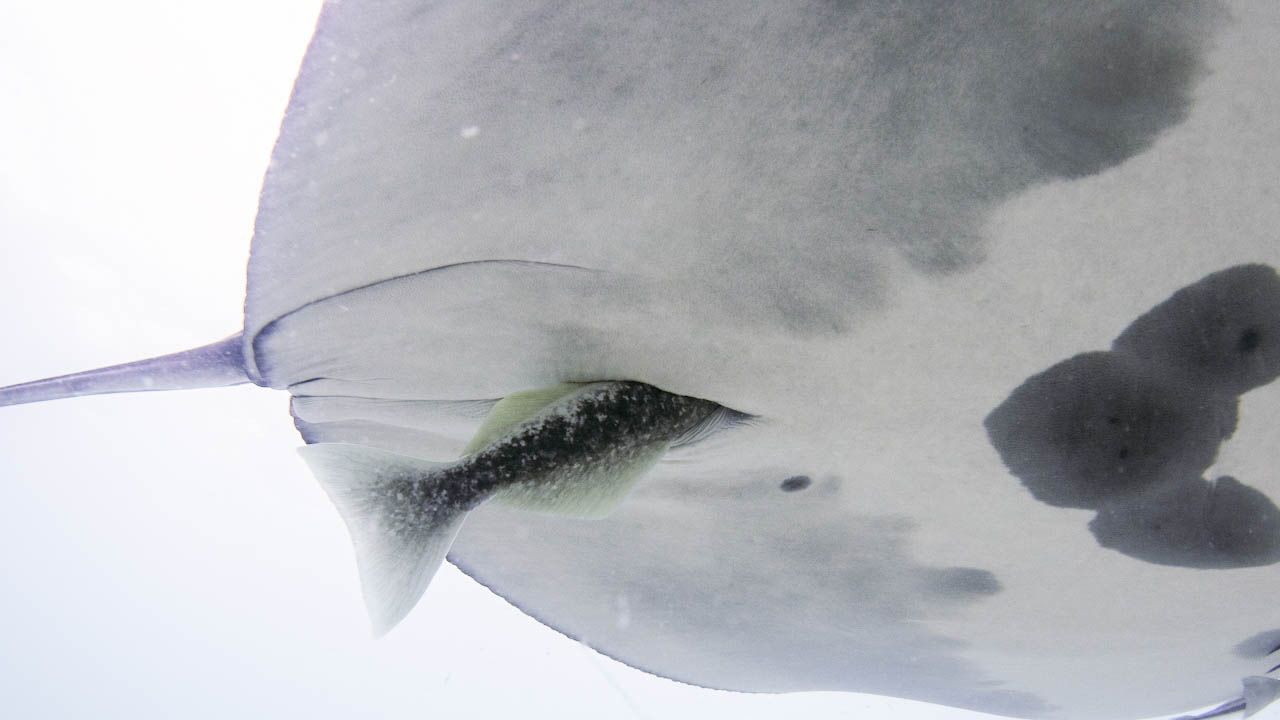
Dr. Emily Torres, lead researcher at the Marine Megafauna Foundation, described witnessing the behavior during a routine dive in the Maldives. 'I saw a remora vanish into the rear end of a manta ray and stay there for several minutes. It was a combination of amazement and horror,' she said.
Background: Remoras and Their Unique Adaptations
Remoras, also called suckerfish, have a modified dorsal fin that acts like a suction cup, allowing them to attach to larger marine animals. This symbiotic relationship typically helps them travel and feed on leftover scraps. However, this new behavior suggests they are exploiting even more intimate spaces for protection or transportation.
Manta rays, which can grow up to 7 meters wide, are gentle filter feeders. Their cloaca—the common opening for excretion and reproduction—provides a dark, sheltered cavity. Until now, researchers had never documented remoras using it as a hiding spot.
What This Means: Implications for Marine Biology
The discovery challenges previous assumptions about remora behavior and their relationship with hosts. 'This is not just a casual hitchhike—it's a deliberate, invasive tactic,' said Dr. Torres. 'It raises questions about potential harm or discomfort to the manta ray and whether other species engage in similar practices.'
Further research is needed to understand why remoras choose this hiding place. Possible reasons include evading predators, avoiding strong currents, or accessing a unique microhabitat. The finding also highlights how little we know about the deep-sea dynamics between species.
Expert Reactions
Dr. Samuel Chen, a marine ecologist at the University of Sydney, called the study 'eye-opening.' He added, 'We often think of remoras as harmless passengers. This shows they can be quite opportunistic, even brazen.'
Conservation groups warn that increased boat traffic and tourism near manta ray aggregation sites might affect these fragile interactions. 'If remoras start relying on anal cavities as refuges, any disturbance could have cascading effects,' noted Sarah Johnson of the Ocean Conservancy.
Future Studies and Citizen Science
The research team plans to deploy tiny cameras to capture remora behavior inside mantas. They also urge divers to report any similar observations. 'This is a perfect example of how citizen science can expand our understanding,' Dr. Torres said.
Meanwhile, memes comparing remoras to 'butthole squatters' have gone viral on social media, but scientists insist the find is serious. 'It's easy to joke, but this reveals a remarkable adaptation,' Dr. Chen said.
This article is part of our ongoing Marine Life Discoveries series.
Related Articles
- 6 Reasons Why Cron in WSL Beats Windows Task Scheduler for Automations
- Rails Developers Urged to Shape Industry's Future: 2026 Community Survey Launches
- URGENT: Agentic Architecture Flaw Exposed – Massive Context Windows Collapse, Says MongoDB Expert
- Prevent IDE-Detectable AI Code Errors from Reaching Code Review
- Your Ultimate Guide to Microsoft & GitHub at PyCon US 2026
- North Korean Hackers Infiltrate Axios: What Happened and How to Protect Your Systems
- Apple's Fiscal 2026 June Quarter Guidance: Revenue Growth Amid Memory Constraints
- 10 Key Insights Into CLion's New SARIF Viewer (2026.1.2)