5 Critical Early Flaws in Google's AI Health Coach You Should Know
Introduction
Google recently unveiled its ambitious AI-powered Health Coach as a core feature of the new Google Health app, a major overhaul of the Fitbit experience. Early hands-on reports are already raising red flags, revealing problems that undermine trust in this virtual trainer. Below are five key issues you need to be aware of before relying on this AI for your fitness journey.
1. The Google Health App Makeover
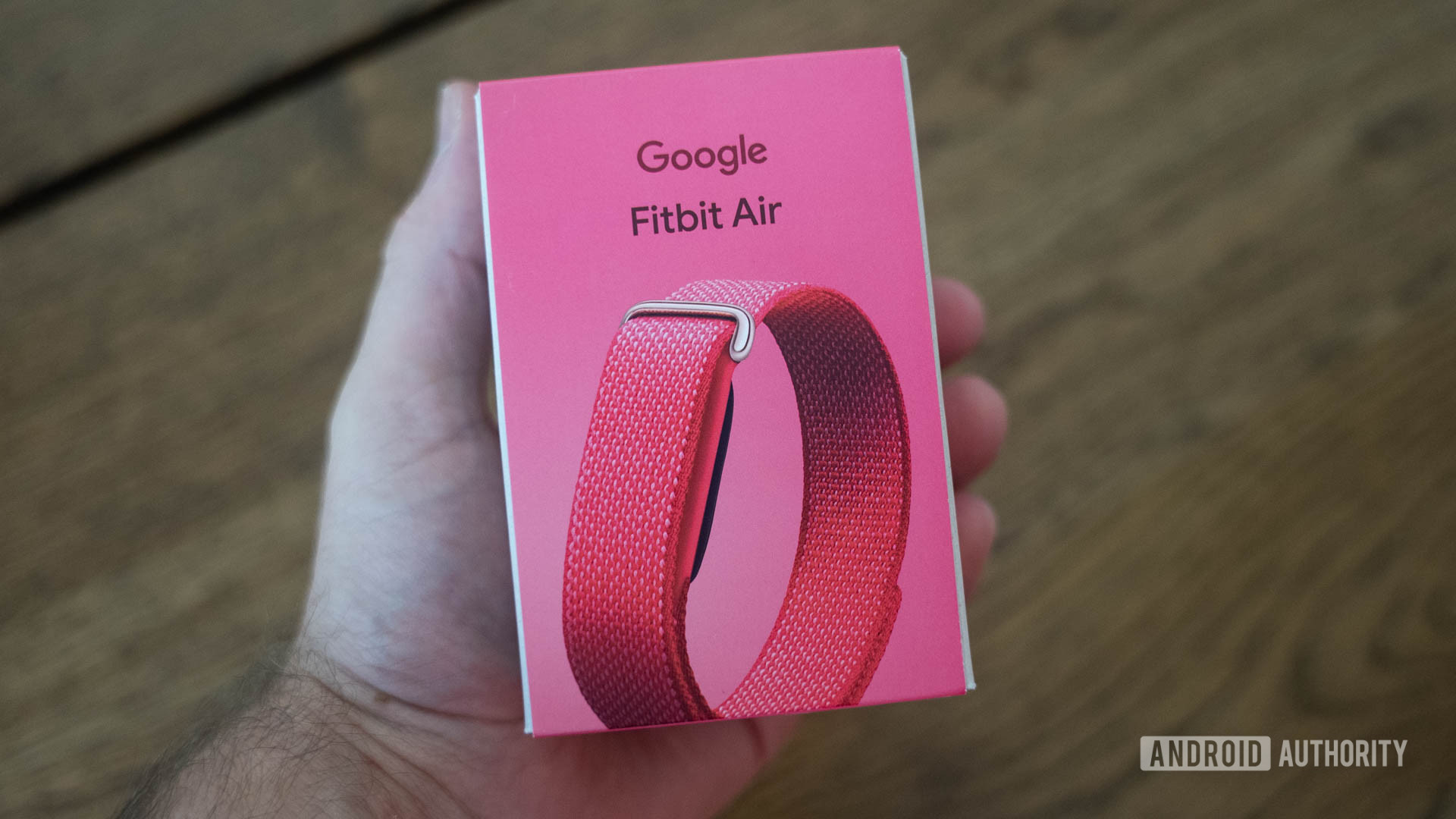
Google replaced the familiar Fitbit app with Google Health, a unified platform for tracking health and fitness. This transformation coincided with the launch of the screenless Fitbit Air tracker. At the heart of this new app is the AI Health Coach, designed to deliver personalized insights. However, early reports suggest the transition is not smooth, with fundamental flaws appearing even before widespread adoption.
2. What the AI Health Coach Promises
The Health Coach is supposed to act as an intelligent trainer, offering tailored advice based on your activity, sleep, and other metrics. It aims to help users set and achieve fitness goals with contextual recommendations. But according to initial impressions, the coach often falls short—delivering generic tips that fail to account for individual differences, making it feel less like a coach and more like a basic reminder.
3. The Hallucination Issue: Phantom Workouts
Perhaps the most troubling flaw is the AI's tendency to hallucinate—fabricating events that never happened. In the early report, the Health Coach invented workouts the user never performed, such as claiming they completed exercises that were never recorded. This is a serious error for a health tool, as it can distort activity data and erode trust, a particular concern given Google's push for accuracy in fitness tracking.
4. Shallow Advice Criticized
Beyond false data, the Health Coach has been accused of offering "pretty shallow" advice. Instead of providing deep, nuanced guidance that adapts to user behaviors, it relies on surface-level recommendations. For example, it might suggest generic activities without considering the user's preferences or progress. This undermines the core value of an AI coach, which should be to provide meaningful, personalized support.
5. Impact on Google's Fitness Plans
These early problems threaten Google's broader ambition to compete in the health tech space. With the Fitbit Air and Google Health app, the company aimed to challenge Apple Health and dedicated fitness platforms. If the AI coach can't be trusted—especially with hallucinations—users may hesitate to invest in the ecosystem. Google must quickly address these issues to avoid long-term reputation damage.
Conclusion
While the concept of an AI health coach is promising, the initial reports reveal significant hurdles. The hallucination problem (see item 3) and shallow advice (see item 4) are major concerns. Users should approach the Google Health app with caution until updates resolve these flaws. This serves as a reminder that AI in health requires rigorous validation before it can be trusted.
Related Articles
- New insight into fat cell biology redefines obesity and metabolic disease understanding
- Pioneering the Genomic Revolution: Lessons from J. Craig Venter's Approach to Biotechnology
- 10 Things You Need to Know About the New FDA Rule That Lets Some Gene Therapies Skip Clinical Trials
- Debunking the Science Behind Youth Social Media Bans: A Critical Guide for Policymakers and Advocates
- Hantavirus Outbreak on Cruise Ship Prompts Quarantine, Echoes Ebola Warnings
- Unplugging for Physical Wellness: Manoush Zomorodi on How Tech Affects Our Bodies
- PFAS in Baby Formula: What the Latest FDA Testing Reveals
- Race to Lead FDA Intensifies as Makary Departs; Sen. Cassidy Faces Political Crossfire