Mysterious Waymo Gatherings in Atlanta Neighborhood Raise Questions
The Unwanted Invasion
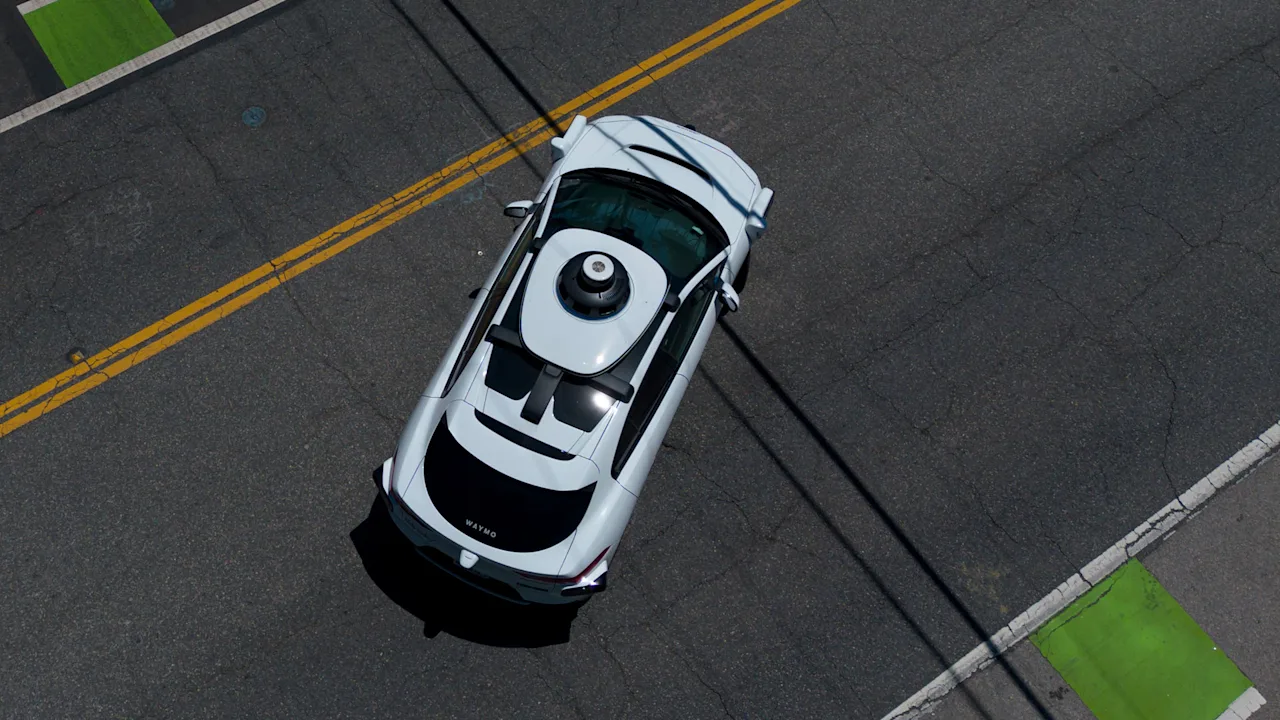
In a quiet residential area of Atlanta, an unusual morning ritual has been unfolding for weeks: dozens of empty Waymo robotaxis converge on local cul-de-sacs, circling the streets without any passengers. The phenomenon, first reported by residents to local news outlet WSB-TV, has transformed the normally peaceful neighborhood into an unexpected hub for autonomous vehicle activity. According to one resident, the influx began roughly two months ago, with the number of cars swelling dramatically in recent weeks. “It’s almost every cul-de-sac around our area,” she told the station. “Yesterday morning we had 50 cars that came through between 6 and 7.” The vehicles, part of Waymo’s fleet of approximately 100 robotaxis operating in Atlanta since June 2025, appear to be routing themselves to these residential streets during idle periods when no ride requests are active.
Community Reactions and Attempts to Stop the Cars
Residents have grown increasingly frustrated with the disruption. The constant stream of driverless cars not only creates noise and congestion but also raises safety concerns. “We have families. We have small kids. We have animals and pets. We’ve got kids getting on the bus in the morning,” one resident explained. “It just doesn’t feel safe to have that traffic.” In a creative—and ultimately unsuccessful—attempt to reclaim their streets, neighbors placed a small neon mannequin to block the road. The result was a traffic jam entirely composed of Waymo vehicles. “We had, at one point, eight Waymos that were stuck, trying to figure out how to turn around,” the resident recalled. The incident highlights the challenges of managing autonomous fleets in unexpected locations and underscores the need for better routing algorithms.
Social Media Buzz and Theories
When footage of the Waymo gatherings surfaced on social media, it sparked a wave of amusement and speculation. Users joked about the cars developing their own culture—“Oh so it’s wrong for cars to invent religion??” one quipped—while others offered darker interpretations: “They just surveilling the city. No doubt about it,” another theorized. Some saw the situation as a metaphor for AI’s impact on society. The incident quickly went viral, drawing attention to the unpredictable behavior of autonomous systems. While many comments were lighthearted, the underlying questions about control, safety, and transparency remain serious.
Waymo’s Response
Waymo acknowledged the issue in a statement provided to Fast Company, confirming that the company has “already addressed this routing behavior.” However, the company did not elaborate on the specific cause—whether it was a mapping error, a software glitch, or a unintended consequence of idle fleet management. Nor did it detail what changes were made to prevent recurrence. The silence leaves residents and observers wondering: was this a one-time anomaly, or does it reveal a deeper flaw in autonomous vehicle navigation? Waymo’s track record in other cities suggests high reliability, but the Atlanta cul-de-sac incident shows that even advanced systems can produce baffling outcomes.
Implications for Autonomous Vehicle Deployment
This incident is more than a curiosity; it underscores the challenges of integrating robotaxis into complex urban environments. Autonomous vehicles rely on detailed maps and real-time data to navigate, but they can still gravitate toward unexpected spots—perhaps due to similarity to known locations, sensor quirks, or routing logic that prioritizes certain roads. The case has prompted discussions among urban planners and engineers about how to design for smooth coexistence between driverless fleets and residents. For now, the Atlanta neighborhood serves as a real-world test case, reminding us that the path to full autonomy includes unforeseen detours—even into quiet cul-de-sacs. As Waymo continues to expand its services, incidents like these will likely shape future protocols and public trust.
Related Articles
- Kubernetes and the Rise of Persistent AI Agents: How Agent Sandbox Bridges the Gap
- From Laboratory Marvels to Everyday Tools: The True Test of Bionic Innovation
- Meet the Cab-Less Autonomous Truck That's Rewriting Freight Rules
- Building a Resilient Validation Layer for Non-Deterministic AI Agents
- 7 Essential Steps to Launch a Successful Personalization Initiative
- How to Run a Prepersonalization Workshop That Sets Your Team Up for Personalization Success
- 10 Things You Need to Know About the Fitbit Air Teaser
- 5 Game-Changing Insights into ByteDance's Astra: The Future of Robot Navigation