UK Slashes Green Climate Fund Pledge, Loses Top Donor Status Amid Aid Cuts
The United Kingdom is no longer the largest contributor to the United Nations' flagship Green Climate Fund (GCF), after the government announced it will only honor half of its previous commitment for the 2024-2027 period. The reduction, from a Conservative-era pledge of £1.62 billion ($2.16 billion) to £815 million ($1.1 billion), marks a dramatic reversal and places the UK alongside the United States as major donors scaling back climate finance.
"This decision is expected to have a material impact on the delivery of GCF projects," warned Mafalda Duarte, the fund's executive director, in an email to the board reported by the Financial Times. The cut comes as part of broader reductions to the UK's overseas aid budget, which the government says is needed to address growing security threats.
Key Facts at a Glance
- Pledge slashed: UK reduces GCF commitment by 50%, from £1.62 billion to £815 million for 2024-2027.
- Donor ranking drops: UK now falls behind Germany, France, and Japan in total past and promised contributions.
- Historic context: The original pledge was hailed as the UK's largest single climate funding commitment, made under former Prime Minister Rishi Sunak.
- Similar US move: The Trump administration withdrew $4 billion in pledged US funds in 2025, prompting concerns of a domino effect among developed nations.
Background
The GCF is the largest dedicated UN climate fund, overseeing over $20 billion across 354 projects and programmes. Developed countries, including the UK, are obligated under the Paris Agreement to provide climate finance, primarily through such funds.
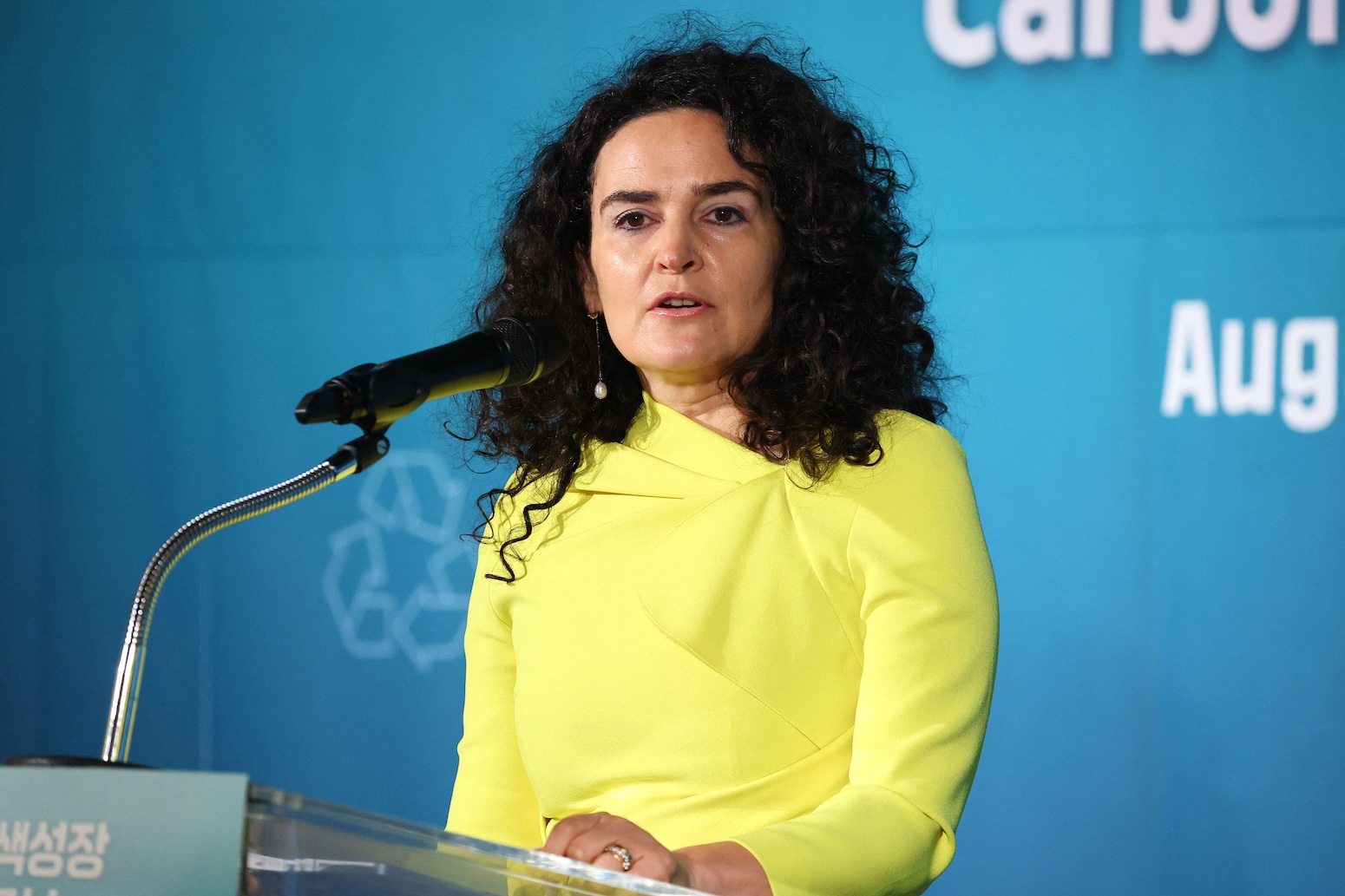
In 2023, the UK pledged £1.62 billion for the second replenishment round (GCF-2), making it the top donor after the US withdrawal. At the time, the Conservative government described it as "the biggest single funding commitment the UK has made to help the world tackle climate change."
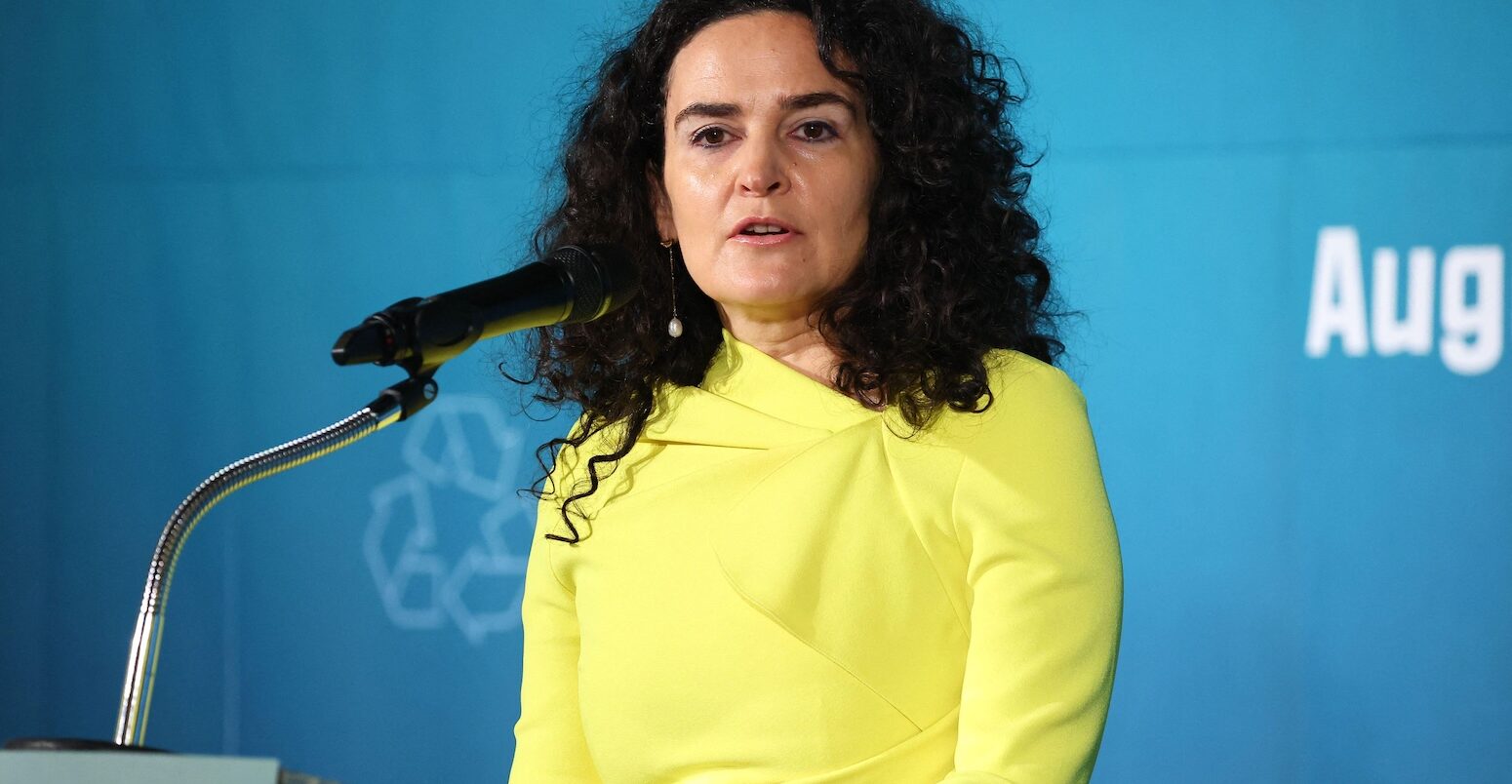
The recent cut means the UK will now provide about 45% less funding than it did during the 2019 round—the largest reduction between rounds by any major donor except the United States. The Labour government's decision aligns with broader aid cuts announced in March, where the UK plans to spend around £6 billion of its aid budget on climate projects over three years—effectively halving annual climate finance, according to Carbon Brief analysis.
What This Means
The UK's reversal sends a troubling signal to developing nations reliant on grant-based climate finance. Aid experts fear other developed countries may follow suit, undermining trust in international climate commitments. The GCF already faces a funding gap, and the UK's reduction could delay critical projects for adaptation, renewable energy, and resilience in vulnerable regions.
Amid rising geopolitical tensions and security spending priorities, the move underscores the fragility of climate finance pledges. As the world's fifth-largest economy retreats, the burden shifts to remaining donors like Germany and Japan—and raises urgent questions about the feasibility of meeting the $100 billion annual climate finance goal promised by 2025.
This is a developing story. Check back for updates.
Related Articles
- Zero-Emission Cement: A Step-by-Step Guide to Eliminating Direct Process CO₂
- How to Follow and Analyze Major EV News: A Step-by-Step Guide Inspired by the Electrek Podcast Episode on Tesla Semi, Xpeng, and Rivian
- From Sea of Nodes to Control-Flow Graph: The Evolution of V8's Optimizing Compiler
- Australia's Energy Shift: Gas Plant Expansion to Meet Data Centre Demand
- React Native 0.85 Arrives with Revamped Animation Engine and Improved Developer Tools
- Evaluating Tesla's Solar Offerings: From Solar Roof to Panels – A Homeowner's Guide
- How to Advocate for Ratepayer Protection from Excessive Fuel Costs at the Georgia Public Service Commission
- V8's Mutable Heap Numbers: How a Small Change Boosted JavaScript Performance by 2.5x