Three Science Revelations This Week: From Renamed Conditions to Prehistoric Dentistry
This week, science delivered a trio of revelations that challenge long-standing assumptions and open new windows into our past, present, and future. From a condition that affects millions finally getting a name that fits, to Neanderthals practicing dentistry long before Homo sapiens, to a crystal born from mankind's deadliest creation—these stories are reshaping fields from endocrinology to archaeology. Dive into three discoveries that prove science is never done rewriting its own textbooks.
1. PCOS Gets a New Name That Reflects Its True Nature
For decades, polycystic ovary syndrome (PCOS) has been defined by ovarian cysts—a term that misleads both patients and clinicians. But this week, international experts proposed renaming it Metabolic-Reproductive Syndrome (MRS). The shift recognizes that PCOS is primarily a metabolic disorder with reproductive symptoms, not the other way around. Up to 10% of reproductive-age women are affected, yet the old name often minimised insulin resistance and cardiovascular risks. The new label aims to improve diagnosis, reduce stigma, and drive research into treatments that target root causes. Read more on the renaming.
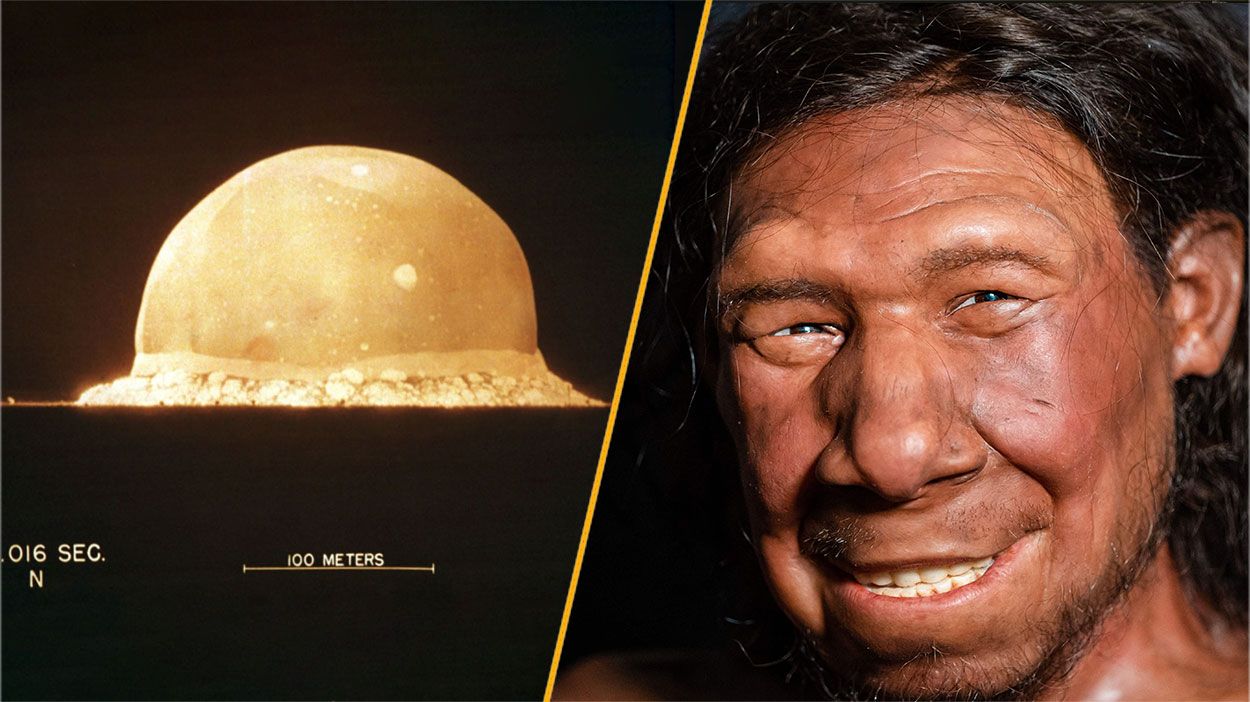
2. Neanderthals Were the World's Oldest Dentists
Analysis of Neanderthal teeth from a cave in Belgium has revealed evidence of prehistoric dental procedures dating back 130,000 years. Microscopic wear patterns show that these ancient hominins used pointed stone tools to scrape and pick at their teeth—likely to relieve pain or remove food debris. This predates the earliest known human dentistry by tens of thousands of years. The findings suggest Neanderthals possessed advanced cognitive and social skills, passing down tool-use knowledge across generations. It's a fascinating glimpse into the sophisticated healthcare practices of our closest extinct relatives. Explore the Neanderthal dental discovery.
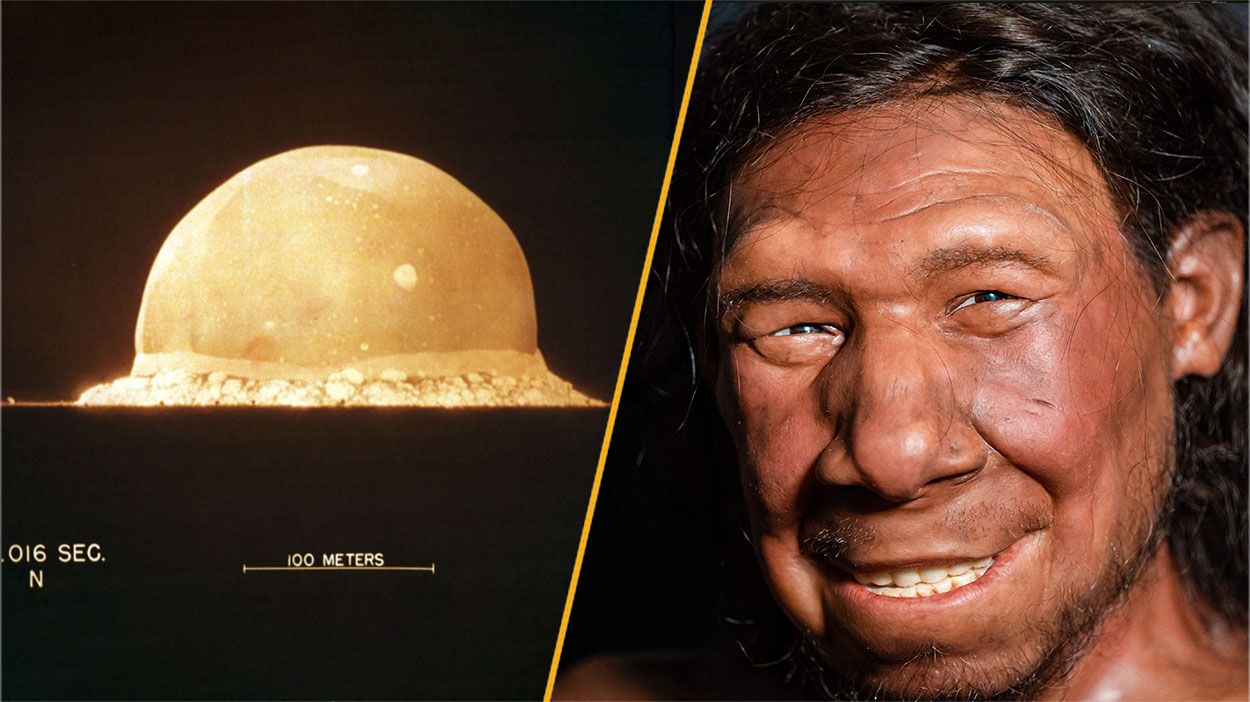
3. The First Nuclear Bomb Spawned an 'Alien' Crystal
When the Trinity test detonated in 1945, it transformed desert sand into a green glassy mineral called trinitite. But recent analysis has revealed something extraordinary: quasicrystals—materials with non-repeating atomic patterns previously thought impossible in nature. This marks the first known quasicrystal created by a human-made explosion. The crystal's structure mirrors those discovered in meteorites, hinting at the extreme conditions needed for their formation. The finding not only deepens our understanding of nuclear events but also opens new avenues for materials science. It seems destruction can sometimes birth the most exotic forms of matter. Learn about the Trinity quasicrystal.
These three stories remind us that science constantly refines its own narrative. A condition's name can reshape treatment, ancient teeth can rewrite history, and a bomb's aftermath can unlock new physics. As we look ahead, one thing is certain: next week's discoveries will again push the boundaries of what we thought we knew.
Related Articles
- Breaking: Next-Gen MacBook Pro with OLED and Redesign Delayed; Analysts Urge Patience on Current M5 Models
- Instagram Abandons End-to-End Encryption, Cuts Long-Promised Privacy Feature
- Kubernetes v1.36 Enhances Pod Resource Management with Beta In-Place Vertical Scaling
- Skywind Mod Nears Completion: Only 'Handful of Bottlenecks' Remain as Team Details Progress
- 7 Key Enhancements in Kubernetes v1.36 Dynamic Resource Allocation
- docs.rs Default Build Targets: A Shift Toward Fewer, Faster Documentation Builds
- Fitbit Air: Google's $100 Fitness Band Without a Screen – But a $10 Monthly AI Coach
- Why Apple Reportedly Scrapped Touch ID for Apple Watch: Cost and Battery Tradeoffs