The Hidden Brain Nutrient Deficiency Linked to Anxiety: What You Need to Know
Emerging research reveals a striking connection between anxiety and a specific nutrient deficit in the brain. An extensive analysis of brain scans has identified that individuals with anxiety disorders tend to have significantly lower levels of choline, a vital nutrient for optimal brain performance. This deficiency was most pronounced in the prefrontal cortex, the area overseeing emotional regulation and decision-making. Scientists describe this as the first definitive chemical brain pattern tied to anxiety, opening the door to potential nutrition-based interventions. Below, we explore the key findings through detailed questions and answers.
1. What exactly did the study uncover about the brain and anxiety?
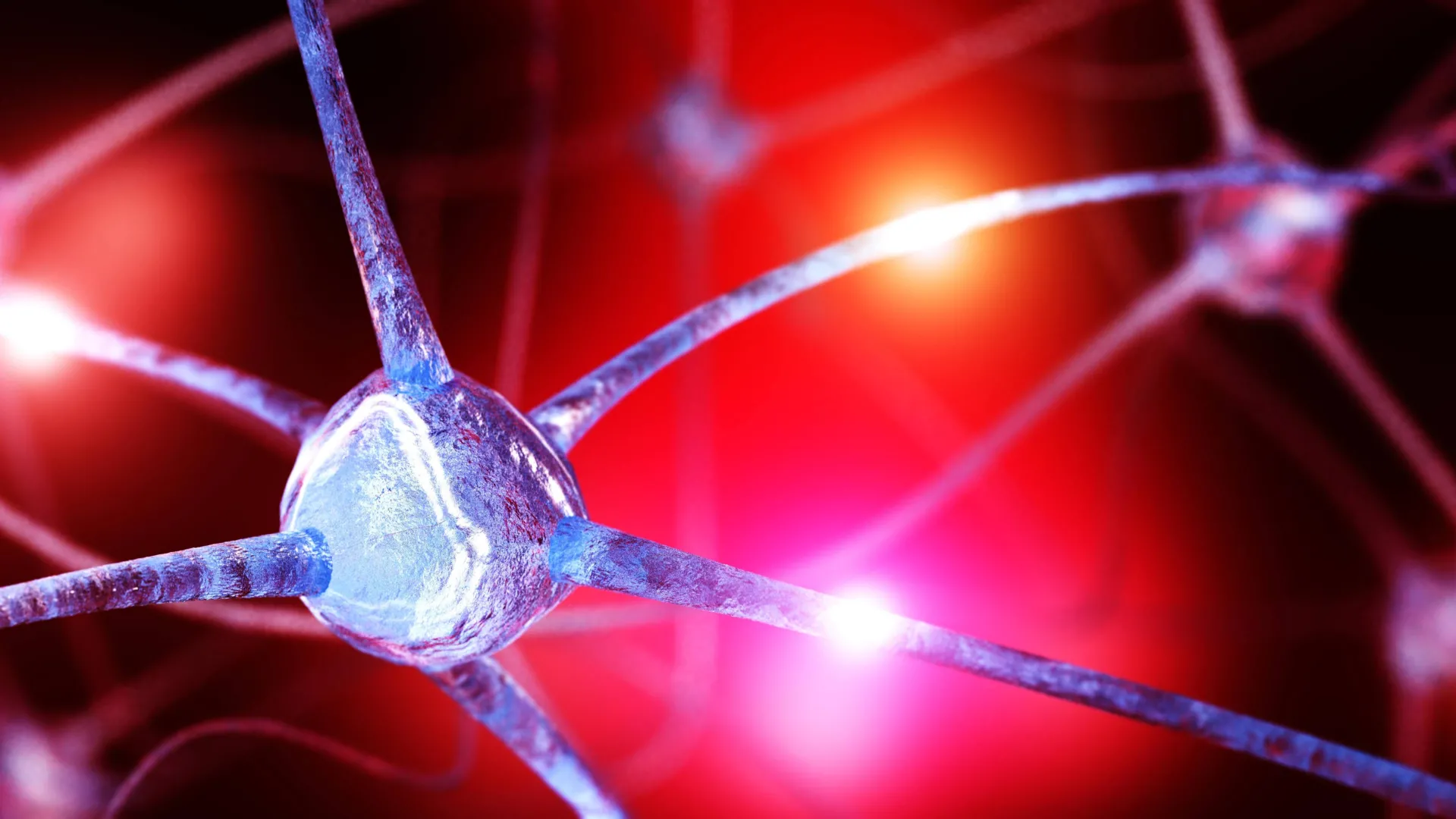
The research, which reviewed a large set of brain scans, discovered that people suffering from anxiety disorders had markedly reduced levels of choline compared to those without anxiety. Choline is an essential nutrient that helps produce acetylcholine, a neurotransmitter critical for memory, mood, and muscle control. This reduction was not uniform across the brain; it was especially notable in specific regions. The findings represent the first clear chemical pattern in the brain explicitly associated with anxiety, shifting the focus from purely psychological explanations to include biological and nutritional factors.
2. Which part of the brain showed the strongest choline deficiency?
The strongest evidence of low choline appeared in the prefrontal cortex, a brain region responsible for higher-order functions like emotional control, rational decision-making, and social behavior. This area helps regulate our reactions to stress and fear. When choline levels drop here, communication between neurons may suffer, potentially impairing the brain's ability to manage anxious thoughts. The study's authors emphasize that this region-specific deficit could explain why anxiety often feels overwhelming—the brain's natural braking system for worry isn't functioning optimally.
3. Why is choline so important for healthy brain function?
Choline is a precursor to acetylcholine, a neurotransmitter vital for sending signals between nerve cells. It also supports the structure of cell membranes and helps process fats in the liver. In the brain, adequate choline ensures sharp memory, stable mood, and efficient communication across neural networks. A deficiency can disrupt these processes, leading to cognitive fog, mood swings, and, as this study suggests, heightened anxiety. Unlike some nutrients that the body can produce, choline must be obtained from diet or supplements, making it a key focus for potential dietary interventions.
4. How might this discovery change future anxiety treatments?
Researchers believe this finding could pave the way for nutrition-based treatments for anxiety. Instead of relying solely on therapy or medication, doctors might incorporate dietary changes or choline supplements to address the underlying chemical imbalance. The study's lead author notes that this is the first time a specific brain nutrient deficit has been directly linked to anxiety, so targeted supplementation could become a personalized treatment approach. Further clinical trials are needed to confirm whether boosting choline levels reduces anxiety symptoms, but the potential is promising.
5. How did scientists obtain these findings about choline and anxiety?
The team conducted a major analysis of existing brain scan data, comparing individuals diagnosed with anxiety disorders against healthy controls. They used advanced imaging techniques to measure choline concentration in various brain regions. By aggregating results from multiple studies, they achieved high statistical power to detect consistent differences. The strongest and most reliable decrease in choline was consistently found in the prefrontal cortex, providing robust evidence that this isn't a random fluctuation but a genuine biochemical marker associated with anxiety.
6. Is this the first time a chemical brain pattern has been linked to anxiety?
Yes, the researchers highlight that this is the first clear chemical brain pattern linked to anxiety. Previous studies have explored neurotransmitters like serotonin and dopamine, but results have been inconsistent. Choline deficiency presents a more uniform and measurable marker across different anxiety disorders. This breakthrough moves the field closer to understanding anxiety as a condition with a distinct biological signature, which could improve diagnosis and lead to more targeted treatments.
7. What are good dietary sources of choline for those concerned about anxiety?
Choline is found in a variety of foods. Excellent sources include eggs (especially the yolk), beef liver, chicken, fish (such as salmon and cod), and soybeans. Plant-based options include broccoli, cauliflower, peanuts, and quinoa. While many people get enough choline from a balanced diet, individuals with restrictive eating patterns or certain health conditions may fall short. Consuming more choline-rich foods could help support brain health, but it's important to consult a healthcare provider before making significant changes, especially for anxiety management. The study's findings do not yet recommend specific dosages for anxiety relief.
8. What should people with anxiety do with this information right now?
While these findings are exciting, they are preliminary and do not replace current anxiety treatments. Individuals should continue any ongoing therapy or medication as prescribed. However, this research underscores the importance of overall nutrition for mental health. Incorporating choline-rich foods into your diet is a safe and proactive step that may support brain function. Scientists caution against self-prescribing high-dose supplements without medical guidance, as excessive choline can cause side effects. The best approach is to discuss these findings with a doctor or dietitian, who can help tailor dietary choices to individual needs.
Related Articles
- New Data Reveals PyTorch Dominates AI Research While TensorFlow Leads Production — Framework Choice Critical in 2026
- Mastering the Media Spotlight: A Guide for Artemis 2 Astronauts on Post-Mission Fame
- Mastering Quadsqueezing: A Step-by-Step Guide to Replicating the Oxford Quantum Breakthrough
- Peering into the Cosmic Dawn: How TIME Reveals Ghostly Galaxies
- AI Agents Get Their Own Secure Desktop: How Amazon WorkSpaces Bridges Legacy Apps and Modern Workflows
- Mathematician Declares Infinity a Myth: Universe Runs on Finite Code
- The Secret Survival Strategies of Squid and Cuttlefish
- 10 Harsh Realities of Dying in Space: Separating Sci-Fi from Science