Green Bank Telescope Resolves Artemis 2 Astronauts as Four Pixels During Lunar Flyby
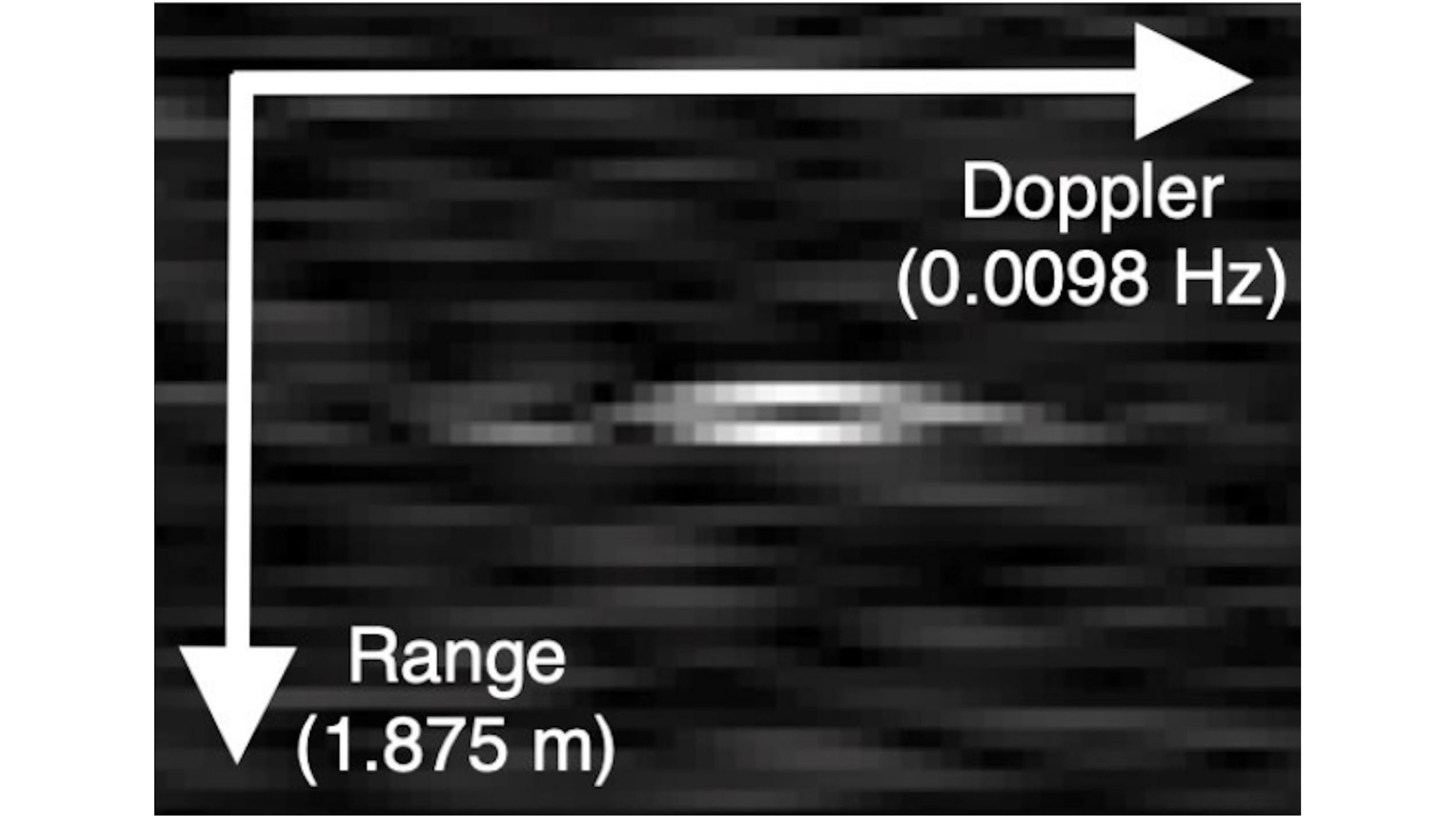
A giant radio telescope in West Virginia has captured unprecedented images of the Artemis 2 Orion spacecraft as it flew around the Moon, resolving the four astronauts aboard as just four pixels.
The Green Bank Telescope (GBT) tracked Orion for five days, gathering precise measurements of its trajectory. 'There are four people in those pixels,' said Dr. Sarah Johnson, GBT deputy director, in a statement. 'This is a remarkable engineering feat.'
Background
The GBT is the world's largest fully steerable radio telescope, with a 100-meter dish located in the National Radio Quiet Zone. It is operated by the Green Bank Observatory.
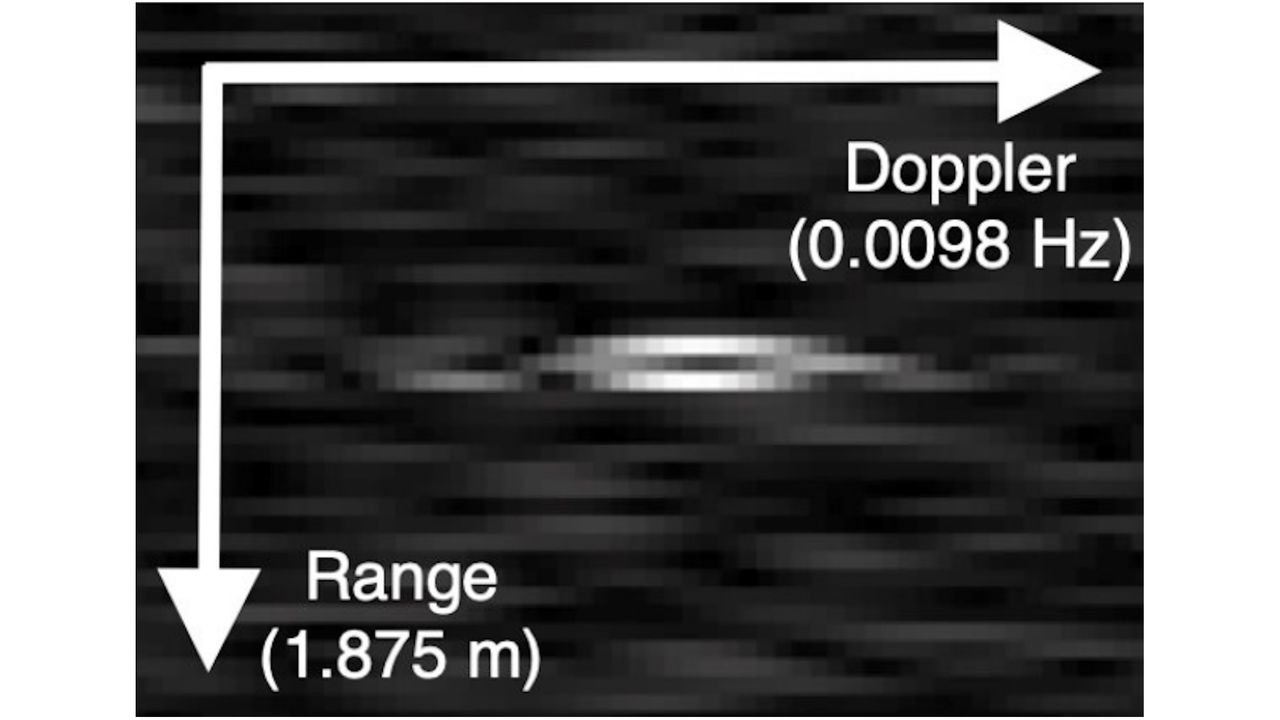
During the Artemis 2 mission, the telescope was used to conduct radar observations of Orion as it circled the Moon. The data helps refine navigation techniques for future deep-space travel.
What This Means
The ability to image a crewed spacecraft at lunar distances demonstrates the telescope's sensitivity. It also highlights the growing role of ground-based observatories in supporting human spaceflight.
'This shows we can track and even see humans on a spacecraft more than 230,000 miles away,' added Johnson. 'It's a powerful tool for mission assurance.'
Future Artemis missions may rely on such Earth-based tracking to supplement onboard systems. Scientists are also studying the radar reflections to improve spacecraft design.
Related Articles
- GRASP: New Gradient-Based Planner Solves Long-Horizon Planning Fragility in World Models
- Leading the Xenonauts: Command, Conflict, and Cold War in Xenonauts 2
- Unlocking Centuries of Trade and Agriculture: How Nondestructive DNA Testing of Parchments Revolutionizes History
- 10 Key Facts About the US Space Force's Golden Dome Space-Based Interceptor Program
- Lightning's Elusive Spark: New Research Challenges Decades of Assumptions
- How Scientists Teleported a Photon's State Across 270 Meters: A Step-by-Step Breakdown
- Leaked Cinematic from Cancelled Star Wars: Knights of the Old Republic Remake Reveals Early Development Art
- How an AI Named RAVEN Revolutionized Exoplanet Discovery with TESS Data