How to Craft a Sequel That Redefines a Sci-Fi Horror Classic
Introduction
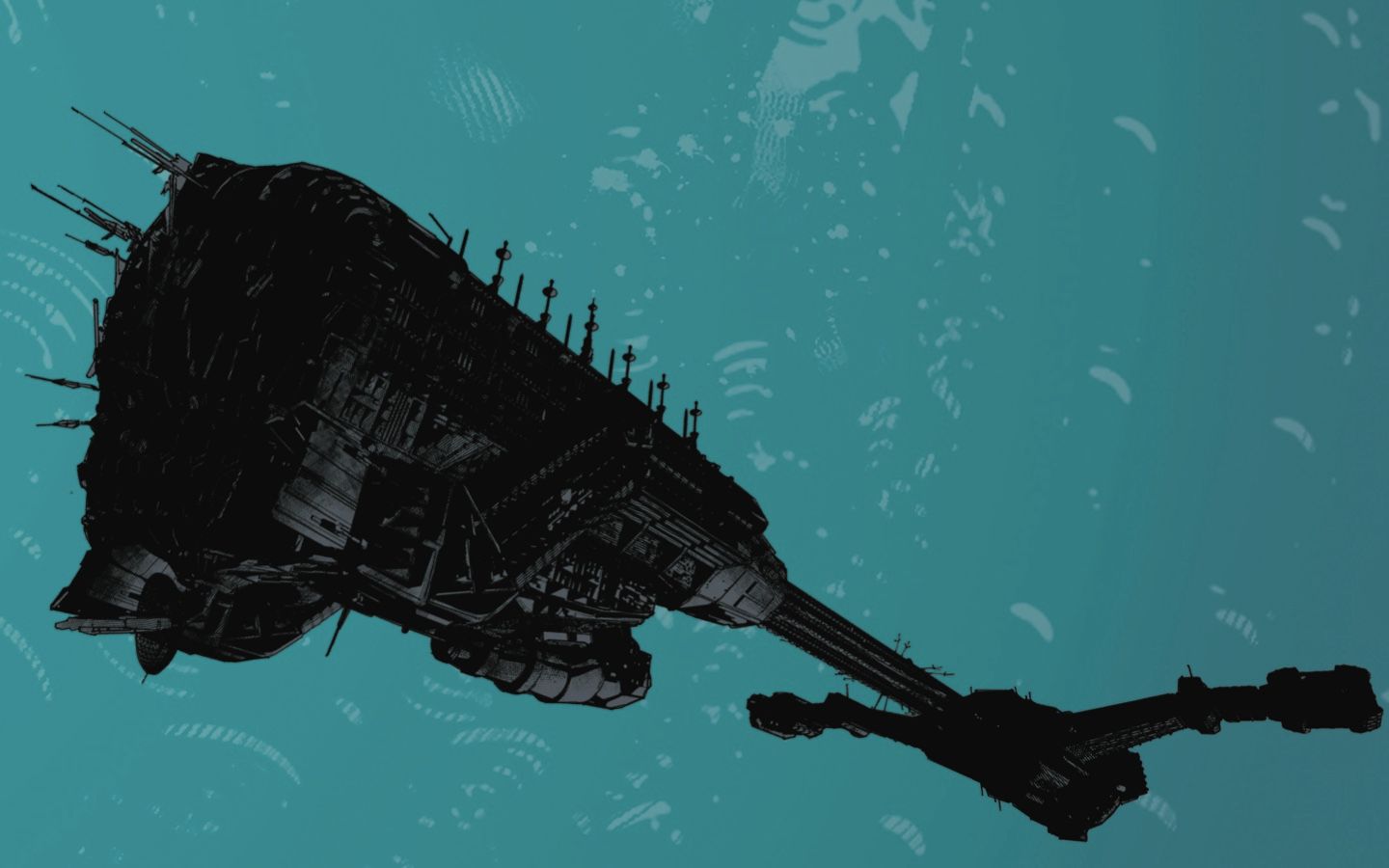
Creating a sequel to a beloved cult classic like Event Horizon is a daunting task. The original film, released in 1997, left audiences with a chilling tale of a spaceship that vanished in 2040 after activating an experimental Gravity Drive, only to reappear in 2047 sending a distress signal. Now, a new sequel is on the horizon—and it promises to be a very different kind of follow-up. Instead of retreading familiar ground, filmmakers have opted to reinvent the franchise. This how-to guide will walk you through the essential steps to develop a sequel that honors the original while carving its own identity. Whether you're a writer, producer, or aspiring filmmaker, these steps will help you navigate the delicate balance between legacy and innovation.
What You Need
- Rights and permissions to the original film (or a similar IP)
- Deep understanding of the original's plot, themes, and fan expectations
- A fresh creative vision that sets the sequel apart
- Budget and resources for production, marketing, and distribution
- Team of writers, directors, and producers committed to the new direction
- Research materials such as fan forums, critical analyses, and behind-the-scenes documentaries
Step-by-Step Guide
- Step 1: Analyze the Original's Legacy
Begin by dissecting what made Event Horizon iconic. The film combined scientific ambition—the Gravity Drive's wormhole creation—with psychological horror. It explored themes of isolation, grief, and the unknown. Identify these core elements and note how they resonated with audiences. For the sequel to be ‘very different,’ you must understand what you're diverging from. Study fan reactions, critical reviews, and the film's cultural impact. This foundation will prevent accidental imitation and ensure your sequel brings something new.
- Step 2: Pinpoint Unique Selling Points to Subvert
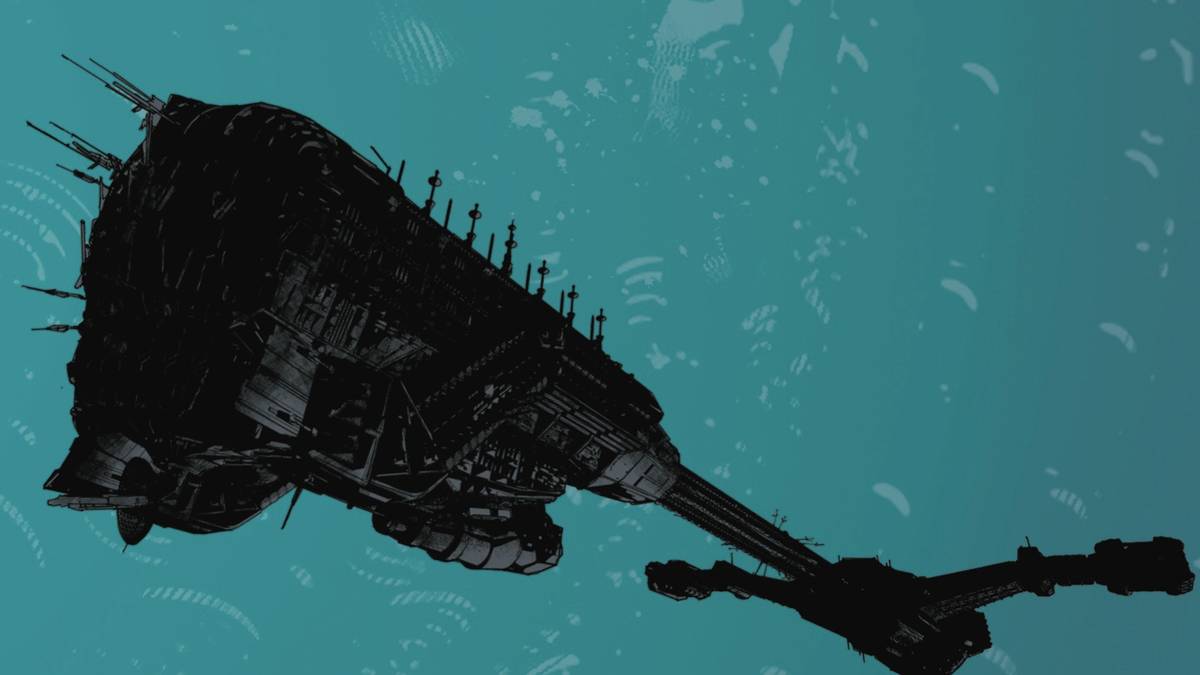
Every classic has signature traits that fans love. In Event Horizon, it's the claustrophobic setting, the sentient, demonic ship, and the harrowing visual style. Make a list of these. Then, brainstorm how to subvert each one. For instance, if the original ship was a hellish labyrinth, the sequel might explore a completely different environment—perhaps a space station or a cold, sterile facility. The key is to keep the core concept (a ship lost and returned from a dimension of chaos) while flipping the atmosphere and stakes on their head.
- Step 3: Define a New Central Premise
With the original analyzed, craft a premise that diverges sharply. The announced sequel reportedly shifts from pure horror to a more philosophical or action-oriented narrative. Ask: What new question can the story explore? For example, instead of focusing on physical survival, perhaps the sequel deals with the psychological aftermath for those who stayed behind on Earth. Or it could follow a new crew investigating the Event Horizon's reappearance, only to discover its Gravity Drive has altered spacetime in unforeseen ways. Your premise should feel like a natural evolution, not a rehash.
- Step 4: Respect the Canon While Breaking New Ground
The original details—ship missing in 2040 near Neptune, crew activating the Gravity Drive, its return in 2047—must be acknowledged. Integrate these facts as backstory. For example, your sequel could begin with the distress signal being received in 2047, setting off a rescue mission. Use these events as launching pads rather than constraints. This respect for canon builds credibility with fans while allowing you to tell a fresh story. Avoid contradictions; if the ship reappears, what state is it in? Who or what is left? Use the original's timeline as your scaffolding.
- Step 5: Design New Characters and Conflicts
A different sequel calls for different protagonists. Move away from the standard crew of scientists and soldiers. Consider characters who have a personal connection to the original crew—family members, researchers obsessed with the Gravity Drive, or even a journalist uncovering a government cover-up. Their motivations should reflect the new tone. Conflict can shift from internal (paranoia) to external (political intrigue, cosmic horror, or a race against time). Ensure each character serves the story's new direction, not the old one.
Source: www.polygon.com - Step 6: Choose a Different Genre Blend
The original fused sci-fi and horror. To be ‘very different,’ consider blending in new genres: detective noir, thriller, mystery, or even dark comedy. For instance, the sequel could be a procedural investigation into the Event Horizon incident, intercut with flashbacks. Or it could be a survival story on a distant planet affected by the wormhole. The genre shift will automatically alter viewer expectations and set your sequel apart. Be clear about your genre targets from the outset.
- Step 7: Build a Unique Visual and Auditory Identity
Visuals and sound were hallmarks of the original: the gothic, gory ship interiors and the haunting score. For the sequel, collaborate with a cinematographer and composer who can create a distinct atmosphere. Use color palettes that contrast with the original—perhaps icy blues and sterile whites instead of rusty reds and blacks. The sound design might emphasize silence or industrial hums rather than screams. These choices reinforce the “different kind of sequel” promise.
- Step 8: Market the Sequel as a Bold Reinvention
Finally, craft a marketing campaign that sets expectations. Tease the new direction explicitly: “This is not your father's Event Horizon.” Use trailers that highlight the new tone and characters, and don't shy away from explaining how the sequel diverges. Leak key facts (like the 2040–2047 timeline) to hook fans, but focus on what's fresh. Engage with fan communities to address fears and generate excitement. A transparent, confident marketing strategy ensures that purists won't be blindsided.
Tips for Success
- Stay true to the original's heart: Even with a new direction, preserve the core themes—humanity's hubris, the terror of the unknown—to maintain emotional resonance.
- Test your concept with small focus groups: Get feedback from both diehard fans and newcomers to gauge if the reinvention works.
- Remember the timeline: The 2040 disappearance and 2047 reappearance are concrete facts—use them as anchors, not chains.
- Embrace the risk: A sequel that tries to be “very different” may face initial skepticism, but bold choices often become classics themselves.
- Keep the Gravity Drive's mystery alive: Don't explain everything. The original's horror thrived on ambiguity; the sequel can leave some things unanswered to spark continued discussion.
Related Articles
- Demystifying GPT-1: How Generative Pre-Training Revolutionized Language Understanding
- Critical Security Flaw in Plasma Login Manager Leaves Systems Exposed: No Root-Service Separation
- Spolsky and Vindman to Debate Future of American Dream at Cooper Union
- Hantavirus Outbreak on Cruise Ship: Key Facts and Expert Analysis
- SpacemiT K3 RVA23 RISC-V Processor: Early Benchmarks and First Impressions on the K3 Pico-ITX
- Shokz OpenRun Pro 2 Mother's Day Sale: Everything You Need to Know in Q&A
- Stack Overflow Founder Steps Down, New CEO Prashanth Chandrasekar Takes Over
- Musk v. Altman: Week One of the OpenAI Trial – Key Insights and What's Next