From Fact to Fiction: A Step-by-Step Guide to Transforming a Historical Drama into Hard Sci-Fi
What You Need
- A solid historical foundation (e.g., real events, authentic period details)
- Creative writers willing to bend history while respecting its core
- Budget for escalating visual effects (from period sets to space battles)
- Patient storytelling arc spanning multiple seasons
- Audience trust built on early accuracy
- Science consultants to keep evolving tech plausible
Introduction
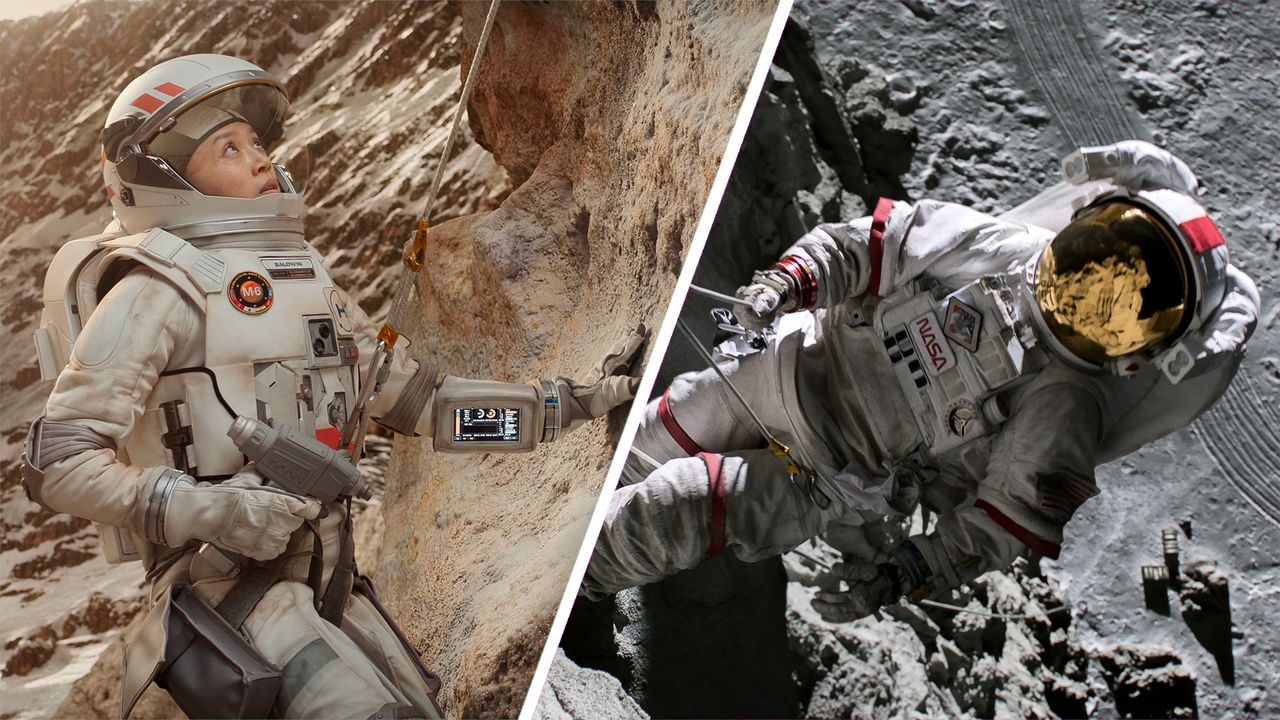
Every great TV show begins with a clear identity, but the best evolve into something unexpected. For All Mankind started as a respectful homage to the Apollo era—think The Right Stuff with a fictional twist—but over its seasons it transformed into a full-blown hard science fiction saga reminiscent of The Expanse. This how‑to guide breaks down exactly how you can achieve a similar genre evolution, step by step. Whether you’re a showrunner, writer, or just a fascinated fan, these principles will help you turn a period piece into a cosmic epic without losing your audience.
The Step‑by‑Step Evolution
Step 1: Anchor Your Story in Historical Truth
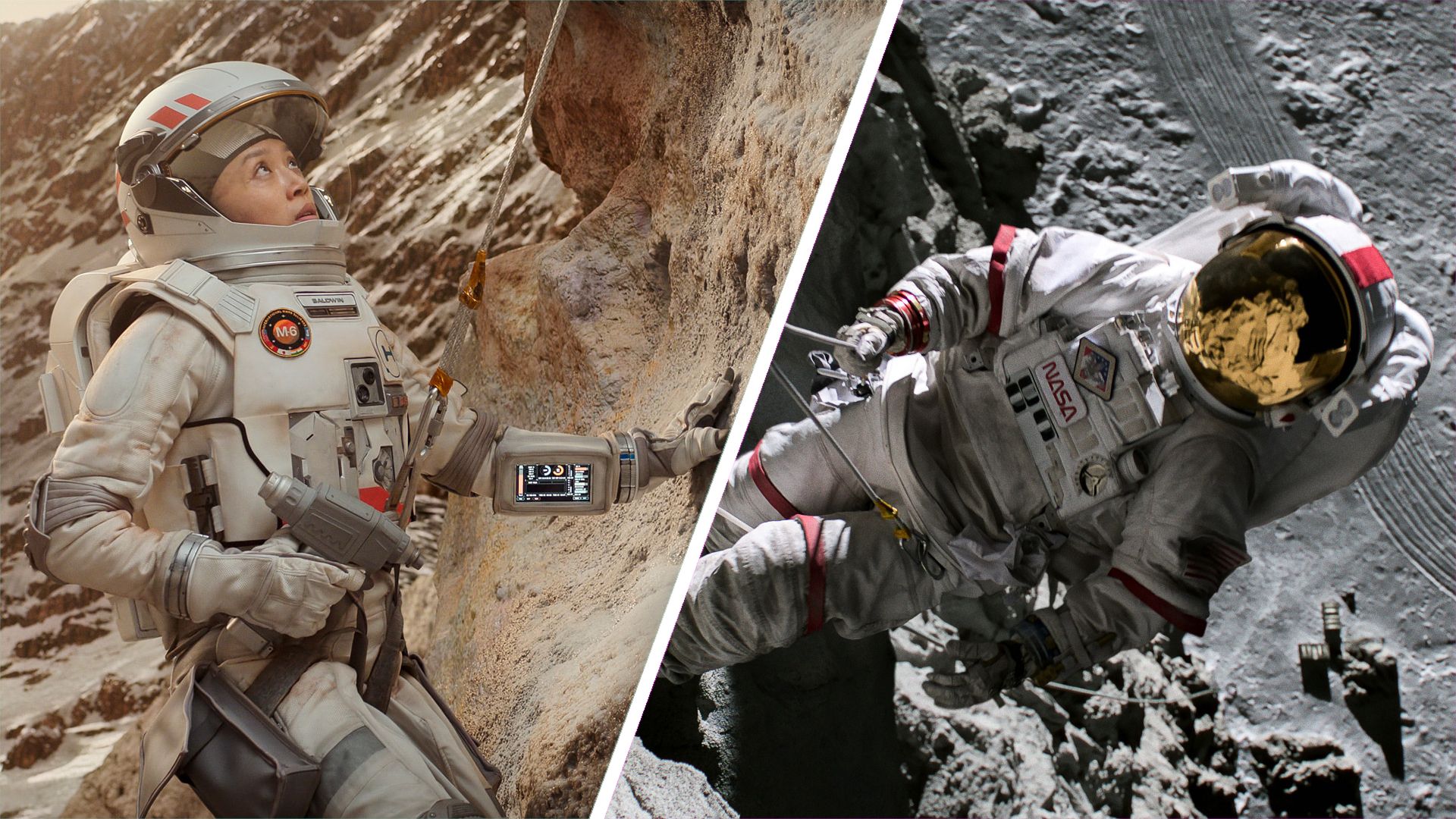
Begin with a meticulously researched historical framework. For All Mankind used the real space race, NASA missions, and figures like Neil Armstrong as a launchpad. Every detail—from spacesuit designs to mission control lingo—must feel authentic. This builds immediate credibility and emotional connection. Your audience needs to trust that you respect the past before you can lead them into the future.
Why it works: When viewers recognize accurate history, they’re more willing to follow your speculative leaps. The show’s early episodes feel like a documentary, making the later divergences even more shocking.
Step 2: Introduce One World‑Altering “What If”
Gradually inject a single, pivotal change. In For All Mankind, the Soviet Union beats the U.S. to the Moon. That one alteration ripples outward, altering everything from technology to geopolitics. Keep the change simple and plausible. Don’t overwhelm viewers with multiple alternate history points at once.
Pro tip: Let the consequences unfold naturally over several episodes. Show how NASA, the White House, and ordinary people adapt. This is where your historical drama starts bending without breaking.
Step 3: Jump Forward in Time Each Season
A key trick: use time jumps to accelerate evolution. For All Mankind skips about a decade between seasons. This allows technology, politics, and culture to realistically advance within your alternate timeline. It also keeps the show fresh—each season feels like a new era.
Implementation: Set season 1 in the 1960s, season 2 in the 1980s, season 3 in the 1990s, and so on. With each jump, increase the sophistication of your space hardware and the scale of your ambitions. Your period piece slowly becomes a retro‑futuristic vision.
Step 4: Escalate Technological Realism
As your timeline advances, push the boundaries of hard science fiction. Introduce plausible but advanced tech: helium‑3 fusion, orbital shipyards, Martian colonies, asteroid mining. For All Mankind gradually moved from Apollo‑era capsules to sprawling space stations and nuclear‑thermal rockets. Each new gadget should feel like a logical next step from the real tech of its decade.
Key rule: Avoid magic. Even the most futuristic elements must have a scientific basis. Consult experts. The show’s later seasons feel like The Expanse because every engine burn and gravity maneuver follows real physics.
Step 5: Shift from National to Cosmic Stakes
Initially, your story may revolve around Cold War rivalry (as in season 1). Over time, transform the central conflict. In For All Mankind, the U.S.‑Soviet competition morphed into a multi‑polar space race involving private corporations, then into existential threats like asteroid impacts and Martian independence movements. This is when your show fully becomes hard sci‑fi.
How to do it: Introduce global (or interplanetary) crises that require cooperation. Characters must grapple with ethical dilemmas—resource wars, terraforming consequences, artificial intelligence—that are hallmarks of the genre. Your personal dramas now mirror cosmic questions.
Step 6: Maintain Character‑Driven Heart
The final and most crucial step: never lose the human element. For All Mankind kept its focus on astronauts, engineers, and their families even as spaceships grew more complex. The show’s evolution worked because viewers cared about the people. Hard sci‑fi can be cold; your emotional anchor prevents that.
Balance: Ensure each technological leap serves a character’s journey. A new spaceship isn’t just cool—it’s the setting for a reconciliation, a sacrifice, or a dream fulfilled. The genre shift feels organic when the heart remains unchanged.
Tips for a Smooth Transformation
- Plan your trajectory from the start. Even if you don’t reveal it, map out how each season will escalate. For All Mankind had a clear endpoint in mind.
- Keep a core of historical advisors. They ground your leaps. If you’re jumping 20 years, ask what’s realistic.
- Use visual cues to signal evolution. Costumes, set design, and music should evolve subtly with each time jump.
- Don’t rush the sci‑fi. Let the audience earn the wonder. The first season’s VFX budget should focus on authenticity, not spectacle.
- Embrace the messiness of change. Not every character will adapt. Show conflict between old‑guard astronauts and new‑generation explorers.
- Study shows like The Expanse for how to handle large casts and political complexity. Borrow what works, but keep your own historical DNA.
Transforming a historical drama into hard science fiction is a daring creative journey. But as For All Mankind proved, it can be done with careful planning, respect for the source material, and a willingness to let stories grow. Follow these steps, and you might just launch a show that spans decades—and galaxies.
Related Articles
- Kennedy Space Center Director Janet Petro Announces Retirement After Transformative Tenure
- Lightning Mysteries Deepen: New Research Challenges Long-Held Theories
- Unveiling the Rocky Secrets of Uranus and Neptune: A New Study Challenges Old Labels
- How Microsoft Discovery Is Transforming R&D with Agentic AI
- Next-Generation Mars Helicopters: JPL Engineers Push Rotorcraft Boundaries After Ingenuity's Triumph
- A Proactive Guide to Preventing Subdomain Hijacking on University Websites
- Breaking: May 2026 Skywatching Alert – Rare Blue Moon, Meteor Shower Peak, and Venus-Moon Showdown
- Mars Odyssey's Silver Jubilee: A Global Map Celebration