10 Reasons AMD's Ryzen AI Halo Mini PC Makes Discrete GPUs Obsolete for LLM Workloads
AMD's latest release, the Ryzen AI Halo developer platform, powered by the AI Max 300-series processors, is turning heads in the AI community. This compact mini PC isn't built for gaming or budget-friendly workstation use—it's a purpose-built powerhouse for running large language models (LLMs) locally. With integrated AI accelerators and a robust integrated GPU, it challenges the need for discrete graphics cards. Here are ten essential facts about this groundbreaking platform.
1. Compact Form Factor That Packs a Punch
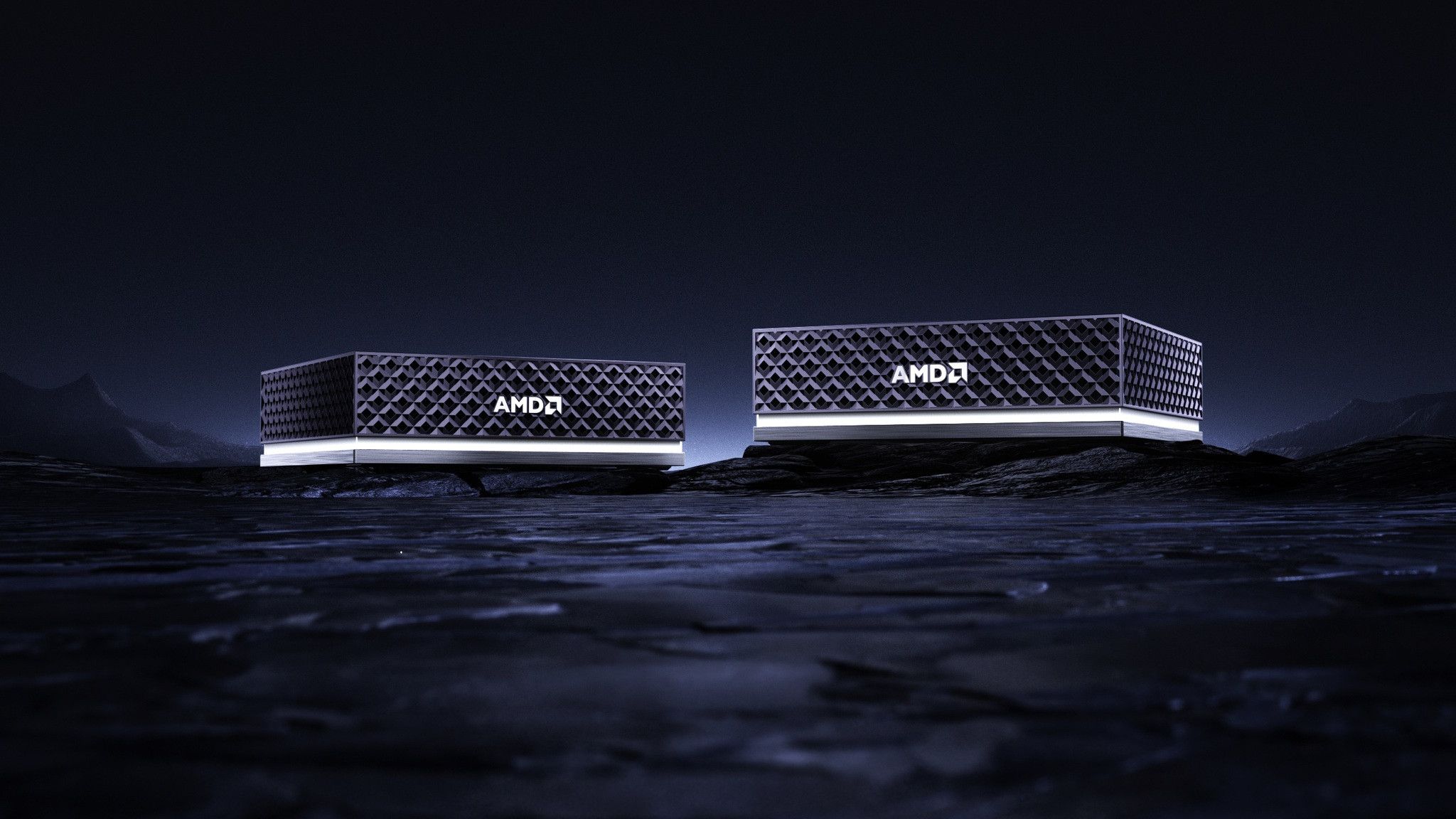
The Ryzen AI Halo is a mini PC, but don't let its size fool you. It leverages AMD's advanced packaging to combine CPU, GPU, and AI engine on a single chip. This results in a system small enough to sit beside a monitor or be embedded in edge devices, yet capable of handling complex neural networks. For developers who need a powerful local AI workstation without a bulky tower, this form factor is a game-changer.
2. Integrated GPU Beats Discrete in Efficiency
The platform's integrated RDNA 3.5-class graphics offer remarkable performance for AI inference. Unlike discrete GPUs that draw significant power and require dedicated cooling, the iGPU in the AI Max 300-series achieves similar throughput for LLMs at a fraction of the energy consumption. This makes it ideal for sustained workloads where power efficiency is paramount, reducing operating costs and heat output.
3. AI Max 300-Series: Built for AI from the Ground Up
The AI Max 300-series processors are specifically engineered for AI tasks. They feature a dedicated Neural Processing Unit (NPU) that accelerates on-device machine learning, plus a high-performance x86 CPU core for general computing. This heterogeneous architecture allows seamless offloading of AI tasks, freeing up the CPU for other processes. It's a tailored solution for developers running LLMs like GPT-3 locally.
4. High-Bandwidth Unified Memory
One of the biggest bottlenecks for LLMs is memory bandwidth. The Ryzen AI Halo employs a unified memory architecture that shares a large pool of high-speed LPDDR5X memory between CPU, GPU, and NPU. With bandwidth exceeding 100 GB/s, it can handle models with billions of parameters without swapping to slower storage. This eliminates the need for expensive discrete GPU memory configurations.
5. Runs Large Language Models Locally with Ease
Designed for developers, this platform can run LLMs such as LLaMA, Mistral, and even fine-tuned versions of GPT-3 on a single compact system. The combination of NPU, GPU, and CPU allows efficient inference without relying on cloud servers. This means faster iteration, lower latency, and full data privacy—key advantages for AI researchers and enterprise applications.
6. Developer Tools and Ecosystem Integration
AMD provides a comprehensive set of tools including ROCm, ONNX Runtime, and PyTorch optimizations for the AI Max 300-series. Developers can easily port existing models to the platform using familiar frameworks. Additionally, the platform supports Windows and Linux, giving flexibility for various development environments. This reduces the learning curve and accelerates deployment from prototype to production.
7. Power Efficiency Reduces Operational Costs
Compared to a workstation with a discrete GPU, the Ryzen AI Halo consumes significantly less power—often under 100W under load. This translates to lower electricity bills and less heat generation, making it suitable for always-on operation. For small teams or individual developers, the total cost of ownership (TCO) is dramatically lower than traditional AI setups.
8. Availability and Pricing
AMD has announced the platform's availability to developers and system integrators. While pricing details are still emerging, early estimates suggest it competes with mid-range discrete GPU workstations but with a smaller footprint and lower power draw. It targets the sweet spot between performance and affordability, enabling more developers to experiment with local LLMs.
9. Ideal for Edge AI and Embedded Applications
Beyond desktop use, the Ryzen AI Halo's compact size and low power make it perfect for edge computing. Industries like healthcare, robotics, and autonomous systems can deploy AI models directly on field devices without cloud dependency. This opens up new possibilities for real-time AI inference in remote or constrained environments.
10. Future-Proofing Against GPU Dependency
As LLMs continue to grow, the ability to run them locally without discrete GPUs becomes crucial. AMD's approach with unified memory and specialized accelerators suggests a future where AI workstations are no longer reliant on bulky, power-hungry graphics cards. The Ryzen AI Halo is a glimpse into that future—a compact, efficient, and capable platform that redefines what's possible for local AI development.
In summary, the Ryzen AI Halo developer platform is a disruptive innovation that challenges the conventional wisdom of needing discrete GPUs for LLM workloads. Its compact size, integrated performance, and developer-friendly ecosystem make it a compelling choice for anyone serious about local AI inference. Whether you're a researcher, startup, or enterprise, this mini PC deserves your attention.
Related Articles
- Ryzen 7 5800X3D Returns: Budget Gaming Powerhouse Reborn as 10th Anniversary Edition
- Inside Huawei’s AI Chip Boom: $12 Billion in Orders Signal Shift in China’s Semiconductor Landscape
- Framework Laptop 13 Gets Its Most Powerful RISC-V Mainboard Yet: SpacemiT K3 Inside
- GPD BOX: A Compact Panther Lake Mini PC with Breakthrough External PCIe 5.0 Connectivity
- How to Optimize AI Workloads with Heterogeneous Computing: Lessons from AMD's Strategy
- Intel Core Ultra 5 225: 10 Crucial Facts About Arrow Lake’s Hidden Gem
- From Stagnation to AI Stardom: How Corning Forged a Mega Partnership with Nvidia
- Intel and Apple: A Strategic Chipmaking Partnership in the Making