Japan's Motorcycle Titans Accelerate Electric Shift: Factories and Portfolios Signal Major Transformation
Breaking News — Japan's top motorcycle manufacturers—Honda, Yamaha, Kawasaki, and Suzuki—are quietly but decisively accelerating their electric vehicle strategies, building factories and portfolios that point toward a landmark industry shift. Unlike the recent hype around startups and Western spinoffs, these legacy giants are now laying concrete groundwork for mass-scale electric motorcycle production.
“The scale of investment and product pipeline we are seeing from these Japanese firms is unprecedented,” said Dr. Akiko Tanaka, director of the Tokyo Institute of Mobility. “They are not just testing the waters; they are building entire ecosystems for electrification.”
While high-performance electric superbikes are still rare in showrooms, the Japanese firms have steadily announced new models, joint ventures, and production facilities over the past 18 months. Honda, for example, plans to launch 10 electric motorcycles by 2025, while Yamaha aims for a 20% electric sales share by 2030.
Background
For years, the electric motorcycle spotlight has shined brightest on startups—like Zero Motorcycles, LiveWire (a Harley-Davidson spinoff), and Chinese newcomer NIU. Meanwhile, Japan’s motorcycle giants remained relatively silent, focusing on internal combustion efficiencies and hybrid solutions.
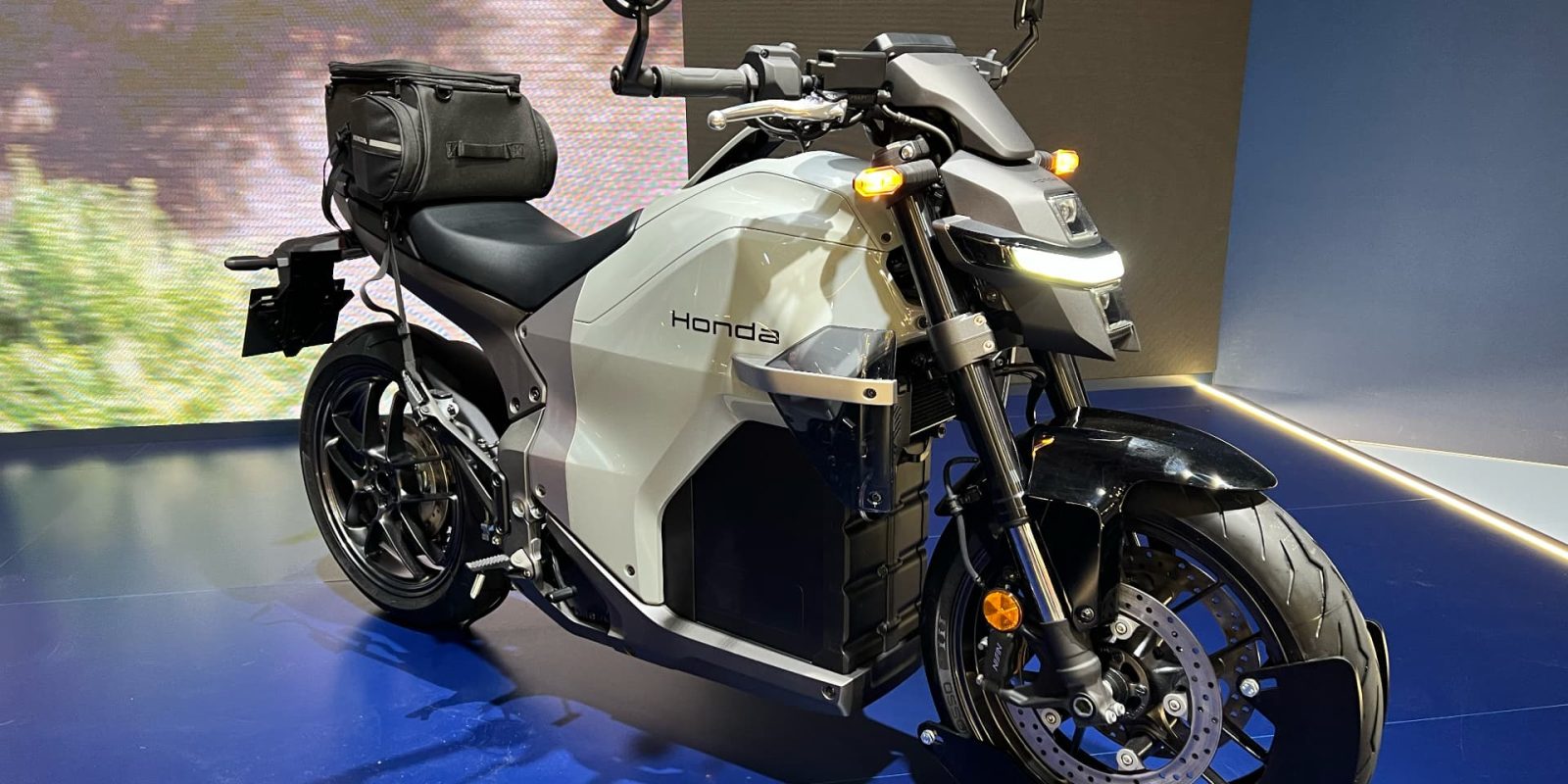
That silence has now broken. Kawasaki announced its first fully electric sports bike for 2024, and Suzuki has partnered with Indian OEMs to build affordable electric models for emerging markets. The shift is driven by tightening global emission regulations, particularly in Europe and India, and falling battery costs.
“Japan’s motorcycle industry has spent decades perfecting combustion engines. But the regulatory winds have changed, and they are now pivoting with remarkable speed,” noted Michael Chen, a senior analyst at Global Auto Insights.
What This Means
The entry of Honda, Yamaha, Kawasaki, and Suzuki into the electric space will dramatically reshape the competitive landscape. These companies command massive global supply chains, dealer networks, and brand loyalty—advantages that most startups lack.

Consumers can expect a wider range of electric models at lower price points within two to three years, as Japanese firms leverage economies of scale. Riders who have hesitated to adopt electric motorcycles due to range anxiety or high upfront costs may soon find practical, affordable options.
“This is a game changer,” said Yuki Nakamura, chief editor of Japan Bike Review. “When Honda and Yamaha go all-in on electric, the rest of the industry has to follow.”
The strategic shift also pressures battery supply chains and charging infrastructure in Asia, where most of these bikes will be produced and sold. Countries like Thailand and India, already hubs for Japanese motorcycle manufacturing, are poised to become centers for electric motorcycle production.
What’s Next
Industry insiders expect more formal announcements from all four manufacturers at the Tokyo Motor Show later this year. Joint ventures on battery swapping—already tested by Honda and Yamaha in Japan—may expand to other markets in Southeast Asia and Africa.
While high-performance electric superbikes from Japan will take longer to reach showrooms—likely 2026 or later—the foundations are being laid now. The race is no longer about whether Japan’s giants will go electric, but how fast they can scale.
For more context on Japan’s motorcycle industry history, see our Background section above.
Explore the implications for riders in What This Means.
Related Articles
- Trump-Xi Energy Deal: China to Buy US Oil Amid Iran Crisis, Climate Cooperation Falters
- Google Launches AI Agent Skills for Flutter and Dart Development
- Streamlining Massive Dataset Migrations with Background Coding Agents
- 10 Surprising Reasons Sardinia Rejects Renewable Energy Projects
- AWS Launches Standalone Sustainability Console with API Access and Custom Reporting for Scope 1-3 Emissions
- How Indonesia Can Transition to Electric Vehicles to Break Oil Dependence
- How to Navigate the Reality Behind the 'Coal Comeback' Hype in 2026
- How to Connect with the Flutter Core Team at Global Events in 2026