Understanding and Mitigating the Threat of Pathogenic Free-Living Amoebae
Overview
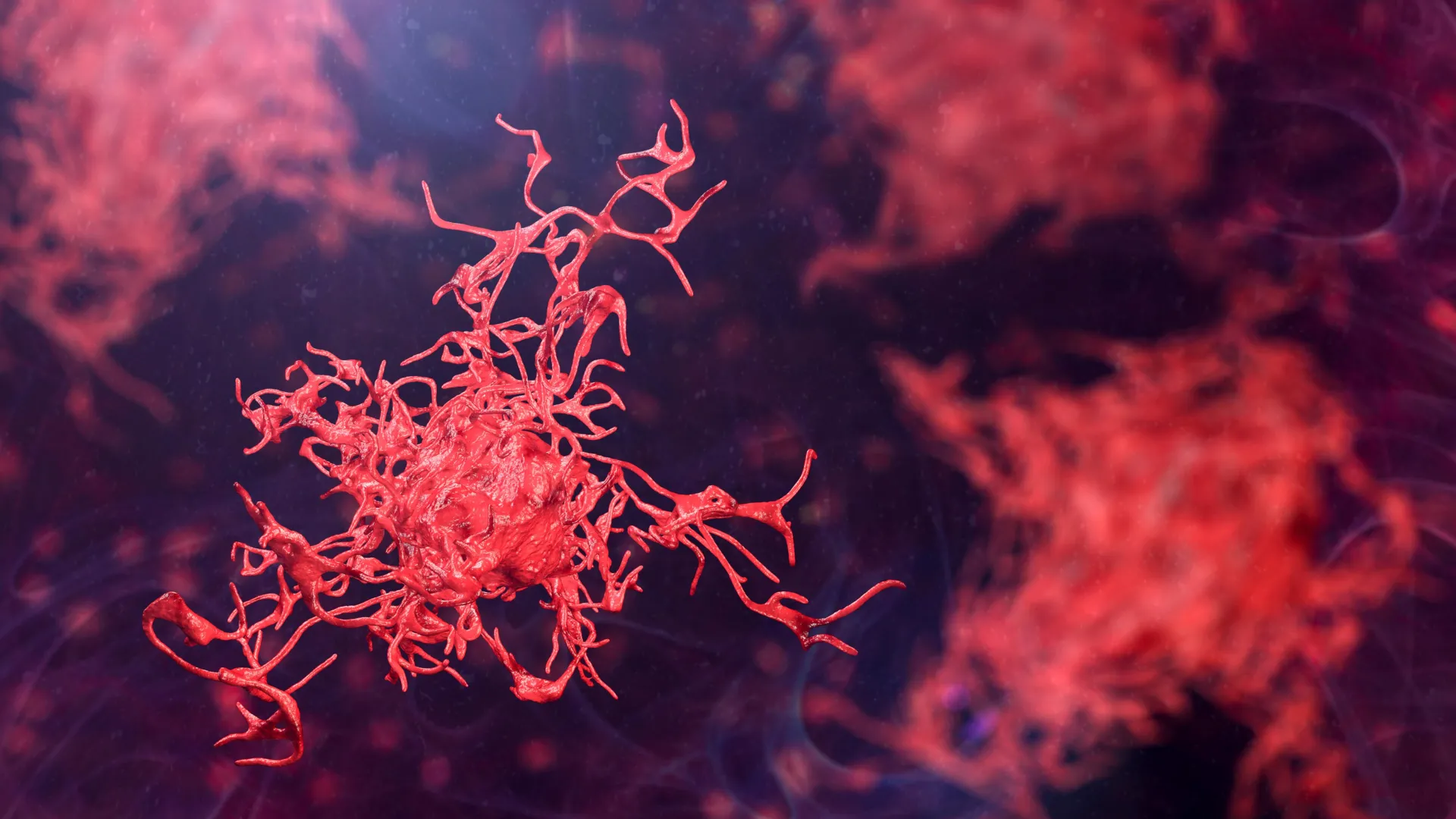
Free-living amoebae (FLA) are single-celled organisms that thrive in soil and water environments worldwide. While the vast majority are harmless, a few species—such as Naegleria fowleri, Acanthamoeba spp., and Balamuthia mandrillaris—can cause severe, often fatal infections in humans. Adding to the concern, these amoebae can act as reservoirs for other dangerous microbes, including Legionella and Mycobacterium, protecting them from environmental stresses and disinfectants. Climate change, with rising temperatures, and aging water infrastructure are accelerating the spread of these pathogenic amoebae. This guide provides a comprehensive framework for understanding the risks, recognizing common pitfalls, and implementing effective mitigation strategies.
Prerequisites
Before diving into the mitigation steps, you should be familiar with the following foundational concepts:
- Basic microbiology: Understanding of unicellular organisms, cysts, and trophozoites.
- Water chemistry: Knowledge of pH, chlorine levels, and turbidity.
- Environmental health principles: Awareness of pathogen transmission routes and risk assessment.
- Regulatory standards: Familiarity with WHO or local guidelines for recreational water and drinking water.
No prior expertise in parasitology is required, but a willingness to consult experts (e.g., public health officials) is essential when high-risk situations are identified.
Step-by-Step Guide to Mitigating the Threat
Step 1: Recognize High‑Risk Environments and Conditions
The first line of defense is awareness. Pathogenic FLA thrive in warm, stagnant water (25 °C–45 °C). Common habitats include:
- Unchlorinated or poorly maintained swimming pools
- Hot tubs and spas
- Cooling towers and industrial water systems
- Rivers, lakes, and ponds during summer months
- Aging municipal water pipes (biofilm formation)
- Contact lens cases (if rinsed with tap water)
Additionally, any water system that experiences temperature fluctuations or has biofilms is a potential reservoir. Note: Naegleria fowleri is infamous for causing primary amebic meningoencephalitis (PAM) when contaminated water enters the nose, typically during swimming or diving.
Step 2: Implement Reliable Monitoring and Detection
Routine monitoring is crucial. Below is a sample protocol adapted from the CDC and WHO guidelines.
Water Sampling Protocol (Pseudo‑code for clarity)
1. Collect 1–10 L water sample from the target source.
2. Filter through 0.45 µm membrane.
3. Incubate filter on non‑nutrient agar seeded with E. coli at 37 °C for 48 h.
4. Examine plates for amoebic migration trails.
5. Perform molecular confirmation (PCR) targeting 18S rRNA gene.
6. Report and archive results.
Key indicators: A positive culture or PCR suggests active amoebae. If Naegleria is suspected, use a specific nested PCR.
Step 3: Apply Targeted Water Treatment Interventions
Standard chlorine disinfection (0.5–1.0 mg/L free chlorine) is often ineffective against amoebic cysts. Advanced treatment strategies include:
- Chlorine dioxide (ClO₂): Effective against cysts at 1–2 mg/L for 30 min contact time.
- Ozone (O₃): Achieves >99.9% inactivation at 0.5 mg/L for 5 min.
- UV irradiation (254 nm): Requires 40 mJ/cm² for vegetative cells; higher doses for cysts.
- Heat shock: Maintain water at 70 °C for at least 5 min to destroy trophozoites and cysts.
For large systems (e.g., cooling towers), a combination of biocides and biofilm removal (e.g., with surfactants) is recommended. Always follow manufacturer’s safety data sheets.
Step 4: Strengthen Infrastructure and Hygiene Practices
Outdated water systems require physical upgrades:
- Replace corroded pipes to reduce biofilm habitat.
- Install point‑of‑use filters (0.2 µm) at taps in high‑risk settings (hospitals, schools).
- Regularly flush stagnant lines (e.g., in buildings with low occupancy).
- For contact lens users: Never rinse lenses with tap water; use sterile saline and replace cases monthly.
Step 5: Educate and Collaborate
Public awareness and inter‑agency collaboration are the final pillars. Disseminate clear messages via:
- Health department bulletins highlighting local water risks.
- Training sessions for pool operators and plumbers.
- School programs on safe swimming (avoiding water up the nose).
Scientists urge that surveillance networks be expanded to share genomic data on emerging strains.
Common Mistakes and How to Avoid Them
- Assuming all amoebae are harmless. While most are benign, species like Balamuthia mandrillaris can cause granulomatous amoebic encephalitis (GAE) with no clear water exposure history. Fix: Treat any amoeba detection as a potential risk until properly identified.
- Relying solely on free chlorine. Cysts are highly resistant. Fix: Use multiple barriers—heat, UV, or advanced oxidants.
- Ignoring biofilm. Amoebae thrive in biofilm as a protective niche. Fix: Implement regular pipe cleaning and disinfectant boosters.
- Neglecting temperature monitoring. A water heater set too low (e.g., 30 °C) may foster amoeba growth. Fix: Maintain domestic hot water at ≥60 °C.
- Underestimating climate change effects. Warmer air and water temperatures extend the geographic range of these amoebae. Fix: Update risk assessments annually based on local climate trends.
Summary
Pathogenic free-living amoebae present a growing global health challenge, exacerbated by warming temperatures and outdated water infrastructure. Effective mitigation requires a multi‑pronged approach: recognizing high‑risk environments, implementing robust monitoring (culture and molecular), applying advanced water treatment (ozone, UV, heat shock), upgrading physical infrastructure, and fostering public education. By avoiding common pitfalls—such as overreliance on chlorine and neglecting biofilm—we can reduce the incidence of devastating infections like PAM and GAE. Scientists and public health officials must work together to improve surveillance and treatment, ensuring safe water for all.
Related Articles
- 8 Things You Must Know About the FDA's New Flavored Vape Policy
- New Hope from an Old Asthma Drug: 10 Things to Know About Its Surprising Power Against Aggressive Cancers
- Companion Robot ElliQ Shows Promise in Reversing Parkinson's Decline in Elderly Patient
- Mastering AI Agent Evaluation: A Practical 12-Metric Framework from Real-World Deployments
- The Growing Health Threat of Wildfire Smoke: What the Data Reveal
- From One Child's Life-Saving Custom Drug to a Biotech Revolution: Julia Vitarello's New Quest for Scalable Personalized Therapies
- 5 Lessons from GitHub's Rate Limiting Overreach: When Defenses Become the Problem
- BMS Bets Big on Chinese Drug Pipeline: A $15.2 Billion Deal to Avoid the Patent Cliff