From Skeptic to Convert: How a 15-Minute Vibe-Coded CLI Ended Subscription Laziness
Vibe coding has polarized the developer community. Some hail it as a productivity revolution; others dismiss it as sloppy improvisation. I fell squarely in the latter camp—until a personal frustration with forgotten subscriptions pushed me to try it. The result was a tiny command-line tool that let me cancel recurring payments I'd been too lazy to deal with. Here's what I learned along the way.
What Exactly Is Vibe Coding and Why Is It Controversial?
Vibe coding refers to building software by iteratively prompting an AI model—like ChatGPT or GitHub Copilot—without first writing detailed specifications or architectural plans. Instead of starting with requirements, you describe the goal in natural language, let the AI generate code, test it, tweak the prompt, and repeat until it works. Critics argue it bypasses critical thinking and can lead to fragile, unmaintainable code. Proponents say it lowers the barrier for rapid prototyping and solving personal pain points. The debate often pits disciplined engineering against creative exploration.
As a Seasoned Developer, Why Did You Initially Distrust Vibe Coding?
I come from a background that prizes structure: clear requirements, planned architecture, and predictable outputs. Vibe coding felt like the antithesis of that—a process that skips thinking and jumps straight to execution. I worried it would produce messy, barely functional scripts that no one would want to maintain. The term “vibe” itself seemed unserious for something that should be precise. Like many engineers, I equated fast results with technical debt.
What Specific Problem Led You to Give Vibe Coding a Chance?
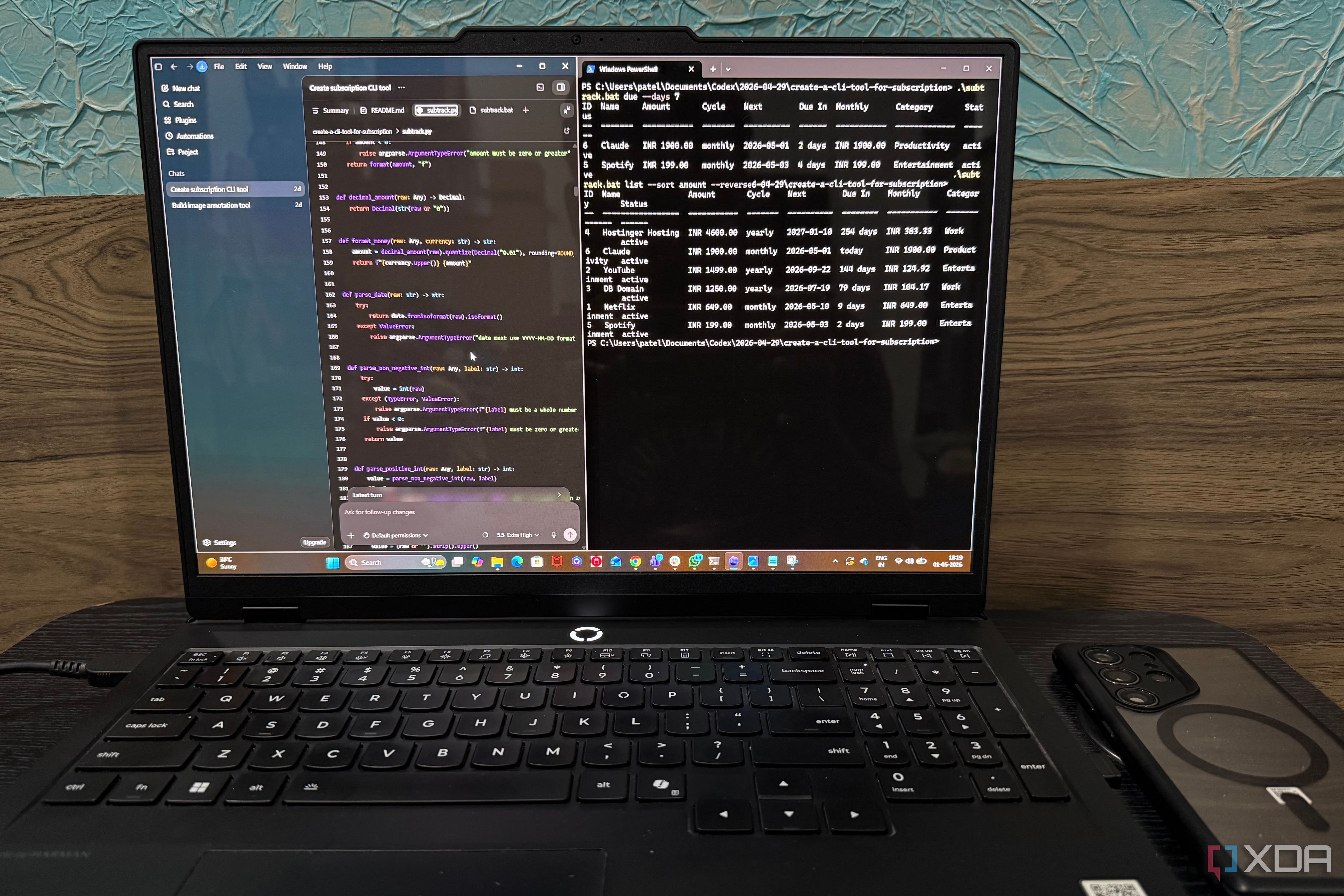
I had a handful of subscription services—streaming platforms, cloud storage, a magazine—that I kept meaning to cancel. Opening each account, finding the cancellation flow, and confirming was tedious. I needed a single command to see all my recurring payments and auto-cancel the ones I selected. It was a simple task but perfect for a small CLI tool. The catch: I didn't want to spend hours writing it.
How Did You Actually Build the CLI Tool in 15 Minutes?
I opened my terminal and started prompting an AI assistant. First prompt: “Write a Python script that lists all active subscriptions from a JSON config file.” It generated code immediately. I asked it to add interactive selection via arrow keys, then to include a dry-run mode and a force-cancel flag. Each prompt refined the output within seconds. After about six iterations, the tool could read a local config, let me choose subscriptions with ↑/↓, and execute cancellations via API calls. Total time from first prompt to working tool: under 15 minutes.
What Features Did the Final CLI Tool Include?
- Reads a
subscriptions.jsonfile with service name, API endpoint, and credentials. - Interactive list with checkbox selection using the
questionarylibrary. - Optional dry-run flag to preview actions without making real changes.
- Force-cancel flag (
--force) to skip confirmation. - Colored output summarizing canceled vs. skipped subscriptions.
It wasn't production-grade—error handling was basic, and the JSON file had to be manually prefilled—but it solved my problem instantly.

How Did This Experience Change Your View on Vibe Coding?
It made me see vibe coding as a complement to structured development, not a replacement. For quick, personal utilities where maintainability matters less than immediate utility, it's incredibly efficient. I still wouldn't use it for a critical system or a client project, but for one-off scripts and small automations, vibe coding slashed my development time from hours to minutes. It also taught me to trust the iterative process—each prompt builds on the previous, and the AI handles the boilerplate while I focus on the logic.
What Are the Potential Downsides or Limitations of Vibe Coding?
- Code quality: The output can be fragile, with issues like hardcoded values, missing error handling, or security flaws.
- Maintainability: Without comments or a clear structure, revisiting the code later can be confusing.
- Over-reliance: Using AI for everything may atrophy your own debugging and problem-solving skills.
- Context limits: For larger projects, the AI loses track of previous prompts, requiring manual stitching of components.
Vibe coding works best for contained tasks where “good enough” is truly sufficient. For anything that will be used by others or needs to evolve over time, traditional engineering practices still matter.
Related Articles
- Mastering the Brimble Challenge: A Junior Developer's Journey
- Master Remote Connections with RustConn: A Step-by-Step Guide
- Developers Can Now Test Their Knowledge: New Quiz Pitches Cursor Against Windsurf for Python Development
- Mastering Configuration Rollouts: How Meta Ensures Safety at Scale
- The Developer's Guide to Thriving Amidst Legacy Code and Slow Change
- Redefining Legacy Modernization in the Age of Agentic Programming: Insights from a Developer Retreat
- Go Developer Survey 2025: Your Voice Matters
- Mastering Automated Testing: A Guide to Python's unittest Module