Mastering GitHub Copilot CLI: Interactive vs Non-Interactive Modes Explained
Welcome to this beginner-friendly guide to GitHub Copilot CLI. In this Q&A, we'll explore the two primary operation modes: interactive and non-interactive. Understanding these will help you harness Copilot's power efficiently, whether you need a collaborative assistant or a quick one-shot answer. Let's dive into the details.
What is interactive mode and how does it differ from non-interactive?
Interactive mode creates a back-and-forth dialogue with GitHub Copilot. When you type copilot in your terminal, you enter this mode by default. It feels like a chat: you ask a question, review Copilot's response, and then follow up with more prompts or requests—all within the same session. Non-interactive mode, on the other hand, is a streamlined one-query experience. You provide a single prompt using the -p flag, get an answer almost immediately, and return to your normal terminal workflow without any further interaction. Interactive mode is ideal for deep, explorative tasks where iteration is key, while non-interactive mode shines for quick, standalone commands like summarizing a repository or generating a code snippet.
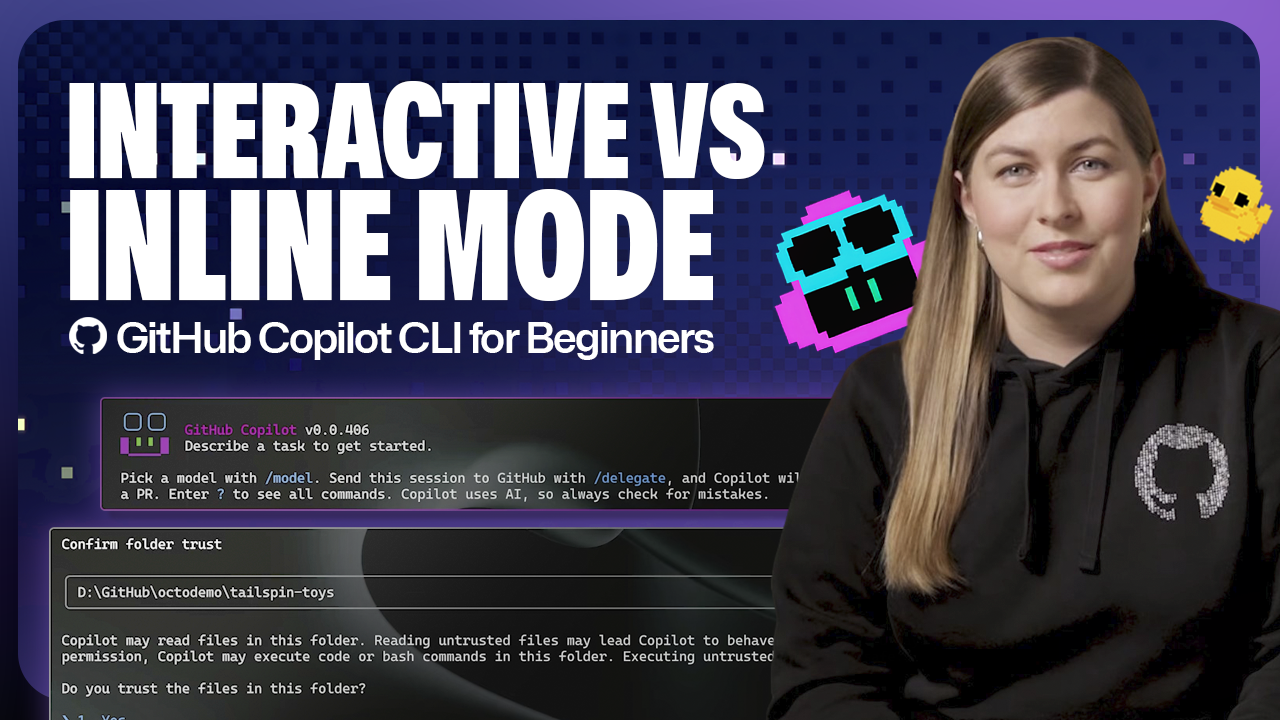
How do you launch interactive mode in GitHub Copilot CLI?
Starting interactive mode is straightforward. Open your terminal and simply run the copilot command. Once entered, Copilot may ask for permission to trust the current folder—it needs access to read and modify files. After granting trust, you can begin your session. For example, you might ask, "How do I run this project locally?" Copilot will provide instructions. If you want a more hands-on approach, you can say, "Can you run it for me?" Copilot will analyze your project and execute the necessary commands. The session stays open, allowing you to review outputs, ask clarifying questions, or request changes—all without leaving the Copilot environment. This continuous interaction is what makes interactive mode powerful for complex projects.
What kind of tasks is interactive mode best suited for?
Interactive mode is designed for exploratory and iterative work. It excels when you need to understand a codebase, debug a problem step-by-step, or try different approaches to a problem. For instance, you can ask Copilot to explain parts of your project, suggest improvements, and then implement them sequentially. Because you can ask follow-up questions and refine prompts, it's perfect for learning new tools or frameworks, refactoring code, or setting up development environments. The back-and-forth dialogue mimics pair programming, allowing you to deep dive into tasks that require context and collaboration. If you're not precisely sure what you need, or you want to experiment, interactive mode gives you the flexibility to adapt as you go.
What is non-interactive mode and when should you use it?
Non-interactive mode is built for speed and simplicity. Instead of starting a session, you type copilot -p followed by your prompt directly in the command line. Copilot processes the request and returns an answer instantly, then you're back in your regular terminal. This mode is perfect for one-shot tasks where you know exactly what you want: quickly summarizing a repository, generating a short code snippet, or performing a quick file analysis. It also integrates well into automated scripts or workflows because it doesn't require interactive input. When you want to minimize disruption to your flow and get a fast answer without entering a full conversation, non-interactive mode is the efficient choice.

How do you use non-interactive mode from the command line?
Using non-interactive mode is simple. First, ensure you're at your regular command prompt—if you're currently inside an interactive Copilot session, you'll need to exit. Then, type copilot -p and your prompt in quotation marks. For example: copilot -p "Quickly summarize what this repository does and list the key folders." Copilot will scan your project files and provide a concise answer. That's it—no follow-ups, no session to manage. You get the information you need and immediately return to your normal terminal tasks. This makes non-interactive mode excellent for quick inquiries or when automating Copilot queries in scripts. The response is typically a short, focused answer that doesn't require additional context.
Can you switch between the two modes during a session?
Interactive and non-interactive modes are designed as separate entry points. You cannot seamlessly switch from one to the other within the same session; each mode has its own invocation method. If you start in interactive mode (by running copilot), you are in a deep chat environment. To use non-interactive mode, you must exit that session and run copilot -p anew. Conversely, if you use non-interactive mode and later want to explore a topic in depth, you'll need to start an interactive session. This separation ensures each mode remains optimized for its purpose: interactive for ongoing collaboration, non-interactive for fast, discrete queries. Choose the mode that best fits your immediate goal, and don't hesitate to switch as your needs change.
Related Articles
- 10 Powerful Features in MerMark Editor v0.2.0 You Should Know About
- Building Autonomous AI Agents with Microsoft’s Agent Framework
- Turning Your Codebase into a Roguelike Dungeon: A Guide to Procedural Generation with GitHub Copilot CLI
- HashiCorp Vault's New AI Agent Security Features: Questions and Answers
- 10 Key Insights Into the Ongoing Battle Over FISA Section 702 Reform
- How Scientists Forecast Volcanic Eruptions: A Step-by-Step Guide
- Building Trustworthy AI Agents: A How-To Guide for Enterprise Deployments with SAP and NVIDIA
- How a North Korean Threat Actor Infiltrated the Axios NPM Library